In modern warehouse operations, efficiency is the key to maintaining productivity and profitability. Businesses are always looking for ways to optimize workflows, reduce downtime, and make better use of storage space. One solution that has gained significant attention is industrial forklift rental.
Renting forklifts rather than purchasing them allows companies to access reliable equipment without high upfront costs, providing flexibility, cost savings, and improved operational efficiency.
What Is Industrial Forklift Rental?
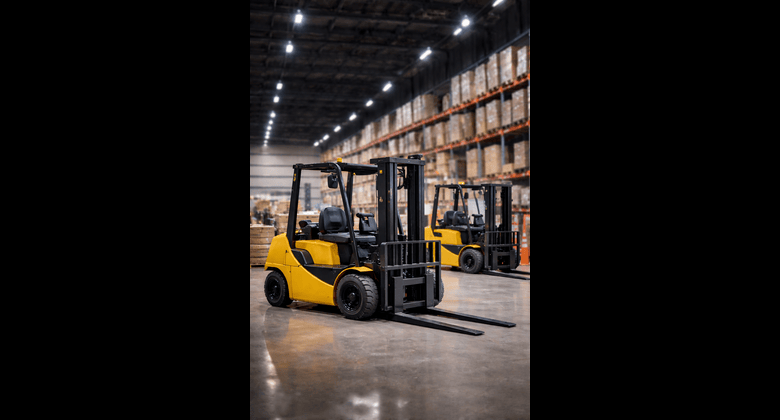
Industrial forklift rental refers to leasing forklifts from specialized rental companies for a specific period. The range of forklifts available for rental includes electric and diesel-powered models, which are suitable for indoor warehouses, outdoor storage yards, and logistics centers.
Rentals can be arranged on a short-term or long-term basis depending on operational requirements. Renting forklifts offers the advantage of using advanced machinery without the commitment of ownership. This is particularly helpful for businesses facing seasonal demand, project-based work, or temporary increases in workload.
How Does Industrial Forklift Hire Save Costs?
The financial benefits of Industrial forklift hire are one of the main reasons businesses choose this approach. Purchasing forklifts requires a substantial capital investment, ongoing maintenance costs, insurance, and space for storage. In contrast, rental services typically include maintenance, repairs, and sometimes operator training, which reduces unexpected expenses.
Rental companies maintain forklifts in optimal working condition, ensuring that warehouses experience minimal downtime. This predictable cost structure allows managers to allocate resources to other critical areas, improving overall operational efficiency.
What Types of Forklifts Are Available for Rental?
Forklift leasing services provide a wide variety of machines to meet diverse warehouse needs. Electric forklifts are ideal for indoor environments where quiet and eco-friendly operations are important. Diesel forklifts are preferred for outdoor use and for moving heavier loads over rough terrain. Reach trucks are designed for high-rise storage and narrow aisles, making them suitable for warehouses with vertical storage systems. Pallet jacks offer a cost-effective option for light loads and frequent material movement. Selecting the right type of forklift ensures smooth warehouse operations and maximizes storage space.
How Does Lift Truck Rental Improve Warehouse Efficiency?
Lift truck rental improves efficiency in several ways. Renting allows businesses to scale equipment based on demand. During peak seasons or project surges, additional forklifts can be rented to handle increased workloads, preventing workflow bottlenecks. Rental providers maintain forklifts in excellent condition, which reduces the risk of equipment failure and downtime.
Access to modern forklifts equipped with advanced safety features and higher lifting capacities enhances productivity while reducing operational risks. Some rental services also provide operator training, ensuring forklifts are used safely and efficiently. Renting forklifts allows warehouses to experiment with different models to find the best fit for their layout, optimizing aisle space and storage configuration.
What Should Businesses Consider When Choosing a Rental Service?
Selecting the right rental service is crucial to gaining the full benefits of industrial forklift rental. Businesses should ensure that the provider offers a variety of forklifts suitable for their operations. Maintenance and support are also important, as well as flexible rental terms that align with operational needs. Safety standards must be verified to ensure compliance with industry regulations.
Some rental companies also provide operator training as part of their service, which can increase productivity and reduce the risk of accidents. Making the right choice ensures that forklifts contribute positively to warehouse efficiency.
How Can Businesses Maximize the Benefits of Forklift Rental?
To make the most of industrial forklift rental, businesses should plan rentals according to seasonal or project-based demands. Even if maintenance is included, scheduling routine inspections can prevent unexpected issues. Operators should be trained on best practices for safe and efficient handling of forklifts.
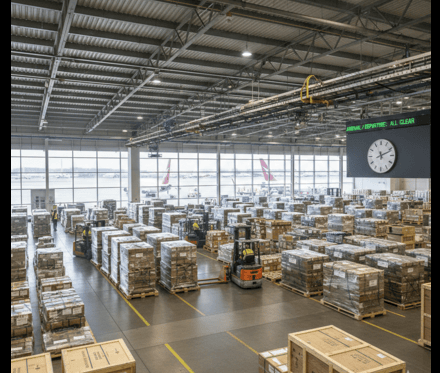
Tracking rental costs against productivity gains can help evaluate the return on investment. Integrating rental forklifts with warehouse management systems can also streamline operations, improve inventory tracking, and reduce delays. For facilities offering Airport Cargo Warehousing Services, effective use of rented forklifts ensures smooth handling of shipments and allows warehouses to operate at peak efficiency without the long-term commitment of owning equipment.
FAQs
What is the typical rental period for forklifts?
Rental periods are flexible, ranging from a single day to several months. Long-term contracts are also available for businesses with consistent operational needs.
Is maintenance included in industrial forklift rental?
Most rental providers include maintenance and repairs in the rental agreement. Some also provide operator training to ensure safe and efficient usage.
Can forklifts be upgraded during the rental period?
Yes, many providers allow businesses to upgrade or replace forklifts if operational needs change or if a particular model does not meet performance requirements.
Are there different payment options for forklift rentals?
Rental services usually offer daily, weekly, monthly, or project-based payment plans to suit varying business needs.
What types of forklifts can I rent?
Businesses can choose from electric, diesel, reach trucks, and pallet jacks. Each type serves a specific warehouse need, such as indoor versus outdoor use, heavy loads, or narrow aisle storage.
How does forklift rental improve warehouse safety?
Modern rental forklifts come equipped with safety features such as ergonomic controls, stability systems, and operator training options. This reduces accidents and protects both workers and inventory.
Conclusion
Industrial forklift rental is a practical and cost-effective solution for businesses looking to improve warehouse efficiency. By providing access to well-maintained, modern forklifts, rental services help companies scale operations, reduce downtime, and optimize storage and material handling. Choosing the right rental provider and using forklifts effectively allows warehouses to enhance productivity, maintain safety standards, and achieve operational flexibility. Industrial forklift rental is not only a way to reduce costs but also a strategic approach to running a more efficient, responsive warehouse operation.