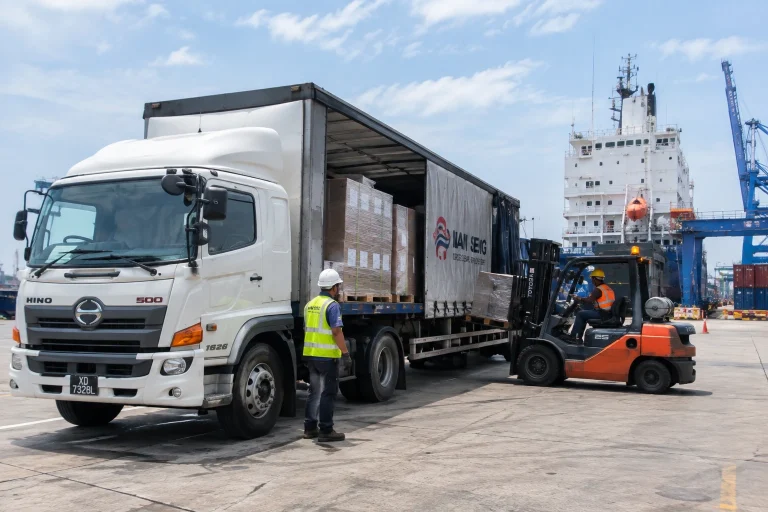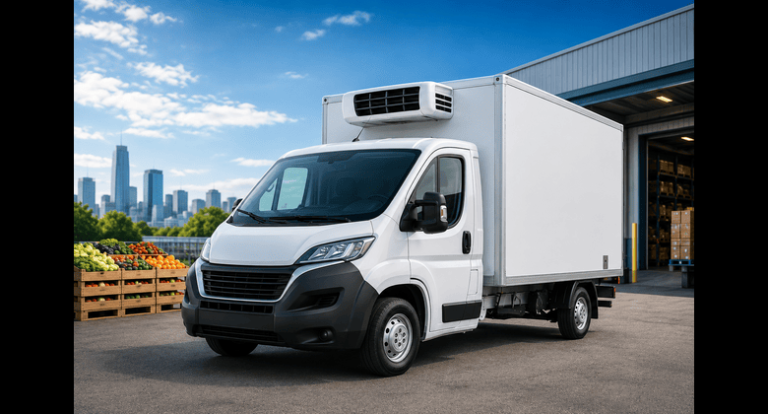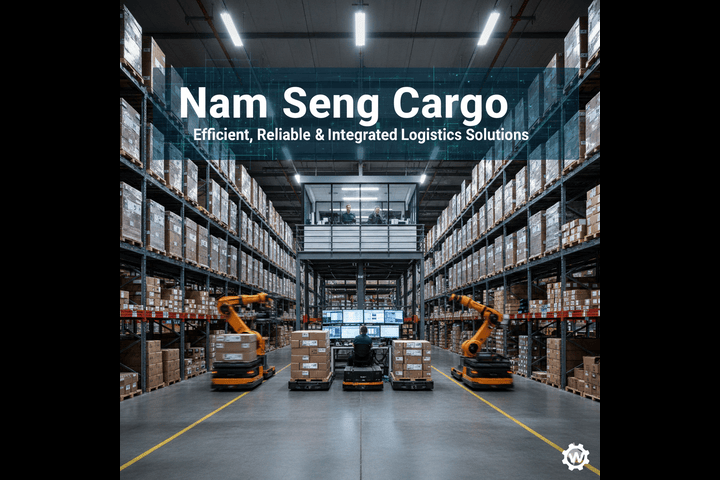
In today’s fast-paced global economy, warehousing services play a pivotal role in supply chain success. From inventory management to distribution and value‑added logistics, modern warehousing is more than storage—it’s a strategic hub that fuels business growth. Whether you are a manufacturer, retailer, or eCommerce enterprise, aligning with the right warehousing partner can significantly reduce costs, enhance delivery performance, and improve customer satisfaction.At Namseng Cargo, we understand how critical warehousing services are to your operational efficiency. This comprehensive guide explores how efficient, reliable, and integrated warehousing supports seamless logistics solutions, empowering your business to stay competitive.
What Are Warehousing Services?
Warehousing services refer to the comprehensive range of activities involved in storing, managing, and moving goods within a secure facility. Traditionally seen as static storage, warehousing is dynamic, combining technology, strategic location planning, and integrated logistics to ensure goods are accessible, traceable, and ready for distribution when needed.
These services typically include:
- Inventory receipt and storage
- Order processing and fulfillment
- Cross‑docking and consolidation
- Value‑added services like labeling, kitting, and packaging
- Returns management and reverse logistics
Effective warehousing services go beyond storage—they optimize the flow of goods from origin to destination.
Why Warehousing Services Matter in Supply Chain Management
Warehousing is the backbone of supply chain operations. Strategic Warehousing & Storage ensures that products are stored safely and distributed efficiently, which is essential for meeting market demand and maintaining customer satisfaction.
Enhanced Inventory Control
Accurate inventory management minimizes holding costs and prevents stockouts or overstock situations. Using advanced Warehouse Management Systems (WMS), logistics providers can track inventory levels in real time, providing visibility and control for businesses of all sizes.
Faster Order Fulfillment
Integrated warehousing services accelerate order processing, enabling faster delivery to end customers. Whether you operate B2B or B2C channels, prompt order fulfillment enhances the customer experience and strengthens brand loyalty.
Cost Optimization
Efficient warehousing reduces operational expenses by consolidating shipments, reducing transit times, and optimizing space utilization. Businesses that partner with professional warehousing providers can often achieve economies of scale and lower logistics costs.
Scalability and Flexibility
Market demand fluctuates—peak seasons, promotions, or global disruptions can impact inventory movement. Flexible warehousing services allow businesses to scale space and services as needed without heavy capital investment.
Key Elements of Efficient Warehousing Services
The effectiveness of warehousing services depends on several core components that collectively ensure reliable and integrated logistics operations.
Strategic Location
The geographic location of a warehouse influences transportation costs, lead times, and market reach. Warehouses positioned near major ports,Airport Cargo Services, and transport hubs enable faster distribution and reduced freight expenses.
Technology Integration
Modern warehousing leverages automation, barcode scanning, and advanced WMS software to enhance accuracy and speed. Integration with transportation management systems (TMS) enables seamless data sharing between warehousing and logistics functions.
Skilled Workforce
Human expertise remains essential in handling complex logistics tasks. Trained personnel ensure accurate order picking, packaging, and inventory control, maintaining high standards of service delivery.
Safety and Security
A trustworthy warehousing provider implements robust security measures, including surveillance systems, access controls, and safety protocols to protect inventory from theft, damage, or loss.
Value‑Added Services
Beyond basic storage, value‑added services such as custom packaging, assembly, quality inspection, and returns processing enhance efficiency and provide businesses with a competitive edge.
Types of Warehousing Services for Modern Logistics
Warehousing services can be tailored to meet specific operational needs. Here are some of the most common types:
Public Warehousing
Public warehouses offer flexible storage options for businesses on a pay‑as‑you‑use basis. Ideal for startups or companies with seasonal demand, public warehousing eliminates the need for large capital investment in infrastructure.
Private Warehousing
Owned or leased by a single company, private warehouses are built to serve dedicated business operations. While offering maximum control, they require significant investment and are best suited for large‑scale enterprises with consistent storage needs.
Bonded Warehousing
Bonded warehouses store imported goods before customs duties are paid. This solution helps businesses defer duty payments and manage cash flow effectively, especially in international trade.
Distribution Centers
Designed for rapid movement of goods rather than long‑term storage, distribution centers focus on order processing, sorting, and outbound logistics. These hubs are essential for efficient last‑mile delivery.
Integrated Warehousing and Logistics: A Strategic Advantage
Integrating warehousing with transportation and logistics services creates a synchronized supply chain that drives performance and reliability. An integrated approach ensures that warehousing, freight handling, and delivery operations communicate seamlessly, reducing delays and errors.
An integrated logistics strategy often includes:
- Real‑time visibility into inventory and shipment status
- Automated data exchange between systems
- Coordinated scheduling of inbound and outbound shipments
- Predictive analytics for demand forecasting
- Centralized reporting and performance metrics
By aligning warehousing with broader logistics functions, businesses can achieve greater control over cost, quality, and delivery speed.
Warehousing Services in the Digital Age
The rapid rise of eCommerce and omnichannel retail has transformed warehousing into a strategic differentiator. Today’s customers expect fast, transparent, and reliable deliveries, prompting logistics providers to adopt digital technologies that enhance efficiency.
Warehouse Management Systems (WMS)
A WMS automates core warehouse operations, including receiving, put‑away, picking, packing, and dispatch. With real‑time tracking and data analytics, businesses gain actionable insights into inventory performance.
Automation and Robotics
Automated storage and retrieval systems (AS/RS), robotic picking, and conveyor systems accelerate workflow and reduce manual errors. These innovations boost productivity while lowering labor costs.
Data Analytics and Forecasting
Businesses can optimize inventory levels using data analytics that predict demand trends. Forecasting tools help reduce excess stock, improve turnover rates, and enable proactive planning.
IoT and Smart Warehousing
Internet of Things (IoT) sensors monitor environmental conditions, asset locations, and equipment performance. Real‑time alerts and automated responses improve safety and operational reliability.
Challenges in Warehousing Services — And How to Overcome Them
While warehousing services offer immense value, they also come with challenges that require strategic management.
Inventory Inaccuracies
Inaccurate inventory counts can lead to lost sales or excess stock. Implementing a robust WMS and regular cycle counts helps maintain accuracy and visibility.
Labor Shortages
Skilled labor shortages can slow operations. Investing in employee training and technology that reduces manual tasks helps bridge the gap and improves efficiency.
Rising Operational Costs
Fluctuating labor, energy, and rental costs can strain budgets. Partnering with a warehousing provider that offers scalable solutions lets businesses pay only for what they use and adjust capacity as demand changes.
Supply Chain Disruptions
Global disruptions—such as port congestion or natural disasters—can impact warehouse operations. A diversified warehousing strategy with multiple locations and carriers improves resilience.
Choosing the Right Warehousing Services Provider
Selecting a reliable warehousing partner is essential for operational success. Look for providers who demonstrate excellence in service delivery, technology, and customer support.
Here are key considerations:
- Proven experience in your industry
- Flexible service options tailored to your business
- Advanced WMS and logistics technology
- Strategic warehouse locations
- Transparent pricing and reporting
- Strong safety and compliance standards
- Responsive customer service and communication
A trusted warehousing provider functions not just as a storage facility but as a logistics partner that contributes to your long‑term growth.
FAQs: Warehousing Services
What are warehousing services and why are they important?
Warehousing services involve storing, managing, and moving goods within a facility. They are crucial for maintaining inventory accuracy, ensuring fast fulfillment, and optimizing supply chain efficiency.
How do warehousing services improve logistics operations?
By centralizing inventory, integrating with transportation systems, and using advanced technology, warehousing services reduce lead times, lower costs, and enhance delivery performance.
What technology is used in modern warehousing services?
Modern warehouses use Warehouse Management Systems (WMS), automation, robotics, IoT sensors, and data analytics to improve accuracy, speed, and operational visibility.
Can warehousing services support eCommerce businesses?
Yes. Warehousing services are critical to eCommerce success, offering fast order fulfillment, real‑time inventory tracking, and efficient returns management.
What is the difference between public and private warehousing?
Public warehousing offers shared, flexible storage on a pay‑as‑you‑use basis, ideal for smaller businesses. Private warehousing is owned or leased by a single company and is suited for consistent, high‑volume storage needs.
Final Thoughts: Partner with Namseng Cargo for Superior Warehousing Services
Efficient, reliable, and integrated warehousing services are no longer optional—they are essential to thriving in competitive markets. Whether you are scaling operations, improving delivery performance, or enhancing customer satisfaction, the right warehousing solution transforms your supply chain into a strategic asset.
At Namseng Cargo (https://namsengcargo.com.sg/), we specialize in tailored warehousing and logistics solutions that align with your business goals. Our state‑of‑the‑art facilities, advanced technology, and experienced team ensure your inventory is handled with precision and care.