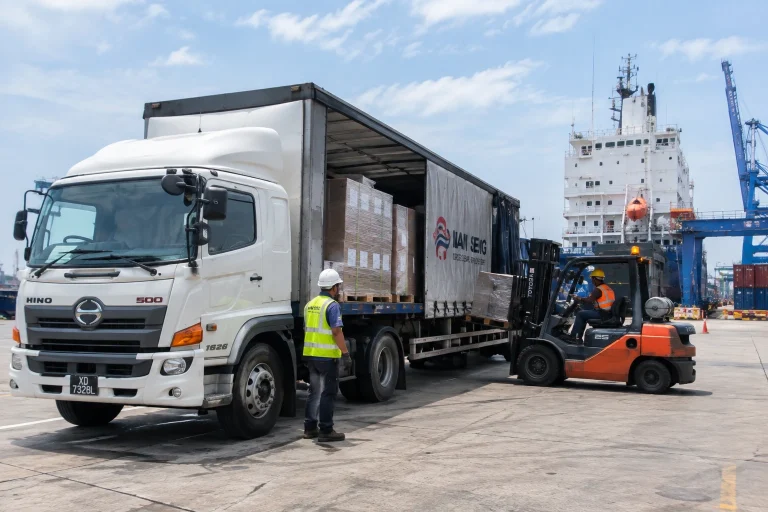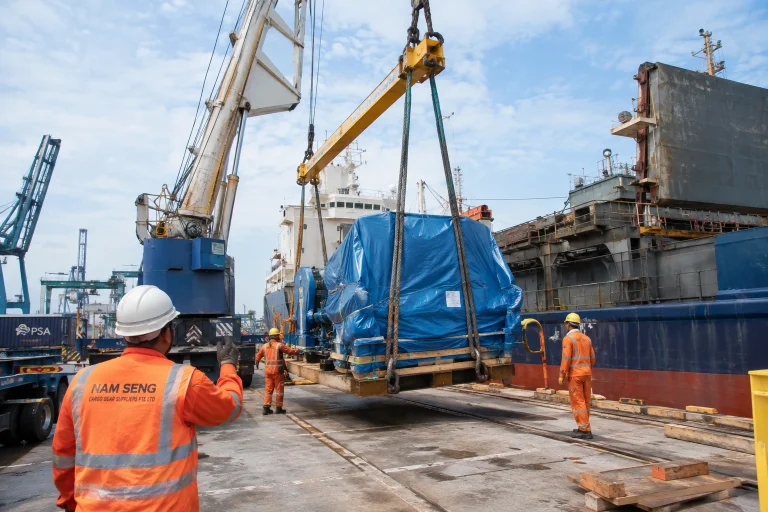
Global trade depends on the efficient movement of goods between countries, suppliers, manufacturers, and consumers. While aircraft enable fast transportation, the infrastructure supporting air cargo is equally important. One of the most critical components of air logistics is the Airport freight warehouse. These facilities serve as the backbone of air cargo operations by ensuring shipments are stored, processed, and distributed efficiently.
An Airport freight warehouse acts as a central hub where goods are received, inspected, sorted, and prepared for transportation. As international trade and e-commerce continue to grow, these warehouses play a crucial role in maintaining smooth supply chain operations. Without them, delays, security concerns, and logistical challenges would significantly impact the movement of cargo worldwide.
Understanding an Airport Freight Warehouse
An Airport freight warehouse is a specialized logistics facility located within or near an airport. Its primary purpose is to handle air cargo before departure and after arrival. Unlike conventional storage facilities, these warehouses are specifically designed to support the fast-paced nature of air freight operations.
Cargo entering an airport warehouse may undergo documentation checks, security inspections, customs clearance, inventory verification, and temporary storage. Once these procedures are completed, shipments are either loaded onto aircraft or prepared for final delivery. This organized process helps ensure goods move efficiently through the supply chain.
The Role of Airport Freight Terminal in Global Logistics
An Airport freight terminal plays a vital role in connecting businesses with international markets. Every day, thousands of shipments pass through airport logistics facilities, including electronics, pharmaceuticals, automotive parts, fashion products, and perishable goods.
These warehouses serve as an important link between transportation providers, customs authorities, freight forwarders, and end customers. By coordinating cargo movement and managing inventory effectively, Airport freight terminals help reduce delays and improve overall supply chain performance.
The increasing demand for rapid shipping has made these facilities more important than ever. Businesses rely on airport warehouses to maintain consistent delivery schedules and meet customer expectations.
Improving Cargo Handling Efficiency
One of the primary benefits of an Air cargo terminal is its ability to improve cargo handling efficiency. Modern warehouses use advanced technologies and streamlined processes to manage large volumes of shipments accurately and quickly.
When cargo arrives at the warehouse, it is carefully sorted according to destination, priority level, and transportation requirements. Warehouse management systems provide real-time visibility into shipment status, allowing logistics professionals to track goods throughout the supply chain.
Efficient cargo handling reduces operational bottlenecks, minimizes errors, and ensures shipments reach their destinations on time.
Supporting Faster Supply Chains
Speed is one of the greatest advantages of air transportation. However, air freight can only operate efficiently when cargo is processed quickly on the ground. An Air cargo terminal supports fast-moving supply chains by reducing turnaround times and facilitating smooth cargo transfers.
The warehouse acts as a coordination center where shipments are consolidated, inspected, and prepared for transport. This process enables airlines and logistics providers to maximize efficiency while minimizing delays.
For businesses dealing with time-sensitive products, fast warehouse operations can make a significant difference in maintaining customer satisfaction and operational success.
Facilitating Customs Clearance
International shipping operates under strict customs regulations and detailed documentation requirements to ensure lawful cross-border trade. An airport logistics warehouse plays a critical role in this process by serving as the key facility where customs inspections, verification, and clearance procedures are conducted.
Within these warehouses, customs officers collaborate closely with warehouse personnel to examine shipment details, validate cargo documentation, and confirm compliance with international import and export laws. This coordinated workflow helps identify issues early, reduce processing errors, and prevent unnecessary delays in cargo movement.
By streamlining customs operations and ensuring regulatory compliance, an airport logistics warehouse significantly enhances the efficiency of global supply chains. It enables faster clearance of goods, smoother international transportation, and improved overall logistics performance for businesses engaged in global trade.
Enhancing Cargo Security
Security is a major concern in global logistics, particularly for high-value and sensitive goods. An Airport cargo facility provides a secure environment where cargo is protected throughout the storage and transportation process.
Advanced surveillance systems, restricted access controls, cargo screening procedures, and digital tracking technologies help safeguard shipments from theft, tampering, and unauthorized access. These security measures are essential for maintaining trust among shippers, airlines, and customers.
The ability to store goods safely makes Airport cargo facilities a critical component of modern logistics infrastructure.
Supporting Temperature-Sensitive Shipments
Certain products require controlled environmental conditions during transportation and storage. Pharmaceuticals, fresh produce, flowers, seafood, and medical supplies often need specific temperature ranges to preserve quality and safety.
A modern Airport freight warehouse frequently includes climate-controlled storage areas designed to accommodate sensitive cargo. These facilities monitor temperature and humidity levels continuously to ensure products remain in optimal condition throughout the logistics process.
This capability is especially important for industries where product integrity directly affects consumer safety and regulatory compliance.
Driving the Growth of E-Commerce
The rise of online shopping has transformed global logistics. Consumers now expect faster deliveries and real-time shipment tracking regardless of location. An Air logistics center helps businesses meet these expectations by enabling efficient inventory management and rapid order fulfillment.
E-commerce companies rely on airport warehouses to process international shipments quickly and accurately. By supporting fast distribution networks, these facilities play a crucial role in the continued growth of global online retail markets.
As cross-border e-commerce expands, Air logistics centers will remain essential to maintaining reliable delivery services.
The Future of Airport Freight Warehousing
Technology is reshaping the logistics industry, and Airport cargo hubs are evolving to meet future demands. Automation, artificial intelligence, robotics, and predictive analytics are becoming increasingly common within warehouse operations.
These innovations improve efficiency, reduce operational costs, and enhance cargo visibility throughout the supply chain. Future airport warehouses will likely focus on sustainability as well, incorporating energy-efficient systems and environmentally responsible practices.
As global trade continues to expand, the role of the Airport freight warehouse will become even more significant in supporting modern logistics networks.
FAQs
What is an airport freight warehouse?
An airport freight warehouse is a specialized facility located near or within an airport that stores, processes, and manages air cargo before departure and after arrival.
Why is an Airport cargo hub important?
An Airport cargo hub is important because it supports cargo handling, customs clearance, inventory management, security, and efficient transportation within the global supply chain.
How does an Air cargo distribution center improve logistics efficiency?
It improves logistics efficiency by reducing cargo handling delays, streamlining shipment processing, and providing real-time tracking and inventory management.
What types of goods are stored in the freight handling terminal?
Freight handling terminals store a wide range of products, including electronics, pharmaceuticals, automotive parts, e-commerce goods, fresh produce, and other commercial cargo.
Are Aviation cargo warehouses secure?
Yes, modern Aviation cargo warehouses use surveillance systems, access controls, cargo screening, and digital monitoring technologies to ensure cargo security.
Can the Airport shipping warehouse handle temperature-sensitive products?
Yes, many Airport shipping warehouses include climate-controlled storage areas designed for pharmaceuticals, food products, flowers, and other temperature-sensitive shipments.
Conclusion
An Airport freight warehouse is far more than a temporary storage facility. It serves as a critical logistics hub that supports cargo handling, customs clearance, security, inventory management, and international trade. By improving operational efficiency and facilitating the rapid movement of goods, these warehouses help businesses compete in an increasingly global marketplace. In this ecosystem, Nam Seng Cargo plays a key role by ensuring reliable and efficient air freight handling services that support smooth logistics operations.
As supply chains become more complex and customer expectations continue to rise, the importance of the Airport shipping warehouse will only increase. Companies that depend on reliable air cargo services benefit greatly from the efficiency, security, and connectivity these facilities provide, with trusted providers like Nam Seng Cargo contributing to stronger global trade performance.