Choosing the right Reach Truck is one of the most important decisions for businesses that depend on efficient warehouse operations. The right equipment helps improve productivity, optimize storage space, and reduce operating costs. However, selecting the ideal model requires more than comparing prices. Businesses should carefully evaluate their storage layout, lifting requirements, load capacity, and daily workflow before investing.
Modern warehouses demand equipment that delivers reliability, safety, and efficiency. Whether you manage a distribution center, manufacturing plant, retail warehouse, or logistics hub, choosing the right lifting solution can enhance operational efficiency, streamline material handling, and support long-term business growth.
Understanding Warehouse Material Handling Needs
Every warehouse has unique operational requirements. Some facilities handle lightweight consumer products, while others regularly move large industrial components. Understanding your inventory type, storage system, and workflow helps determine which material-handling equipment will deliver the best results.
Businesses with narrow aisles and high storage racks usually require specialized equipment designed to maximize vertical storage while maintaining smooth movement throughout the warehouse. Companies with wider operating areas may benefit from different lifting solutions depending on the nature of their operations.
Why Businesses Choose a Reach Truck
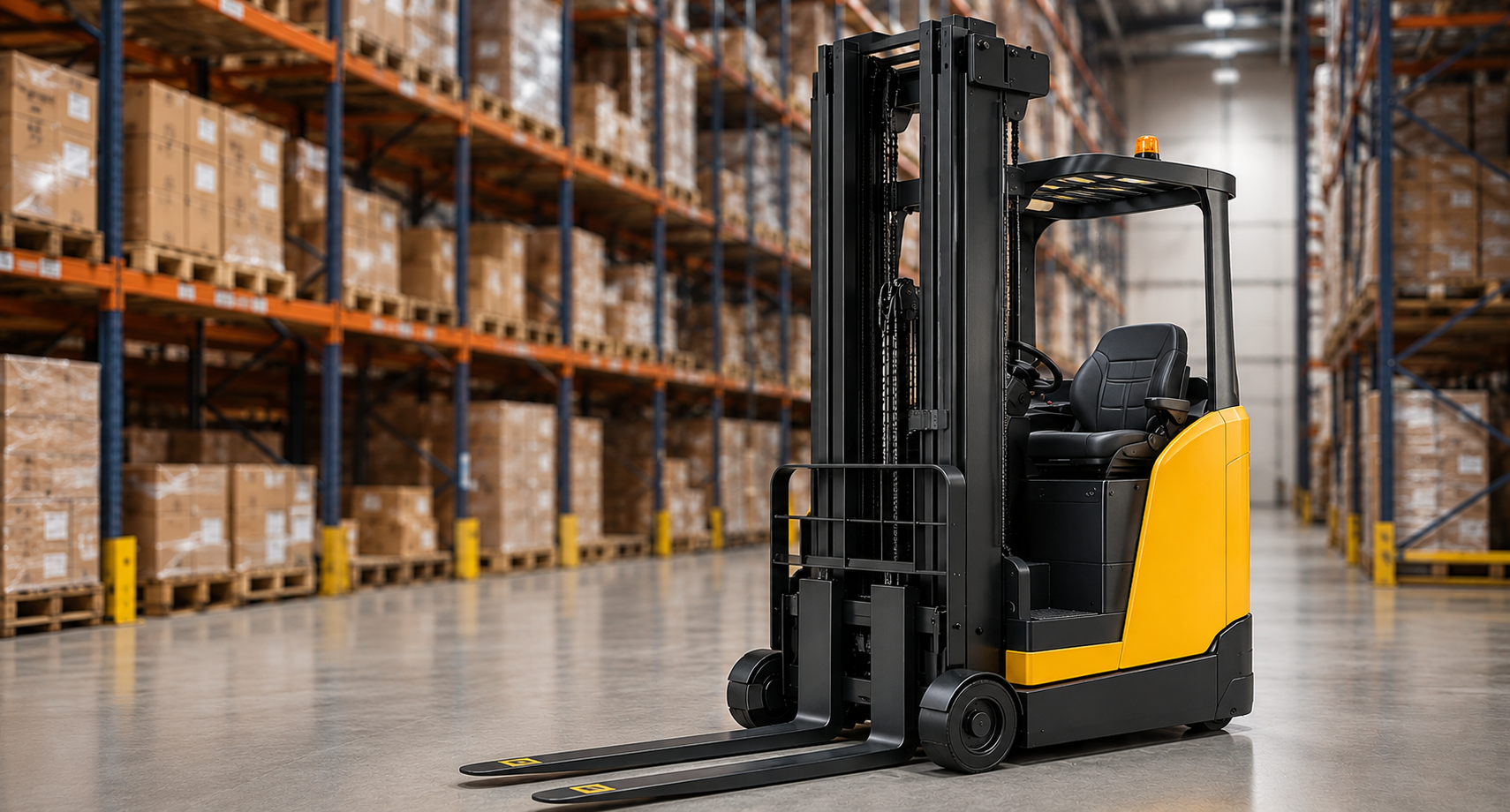
A Reach Truck is specifically designed for indoor warehouses where storage space is limited, and products are stored at considerable heights. Unlike traditional forklifts, this equipment uses extendable forks that move forward to retrieve pallets before retracting them for safe transportation.
Its compact design allows operators to work comfortably in narrow aisles without sacrificing lifting performance. This makes it an excellent choice for businesses looking to increase storage capacity while maintaining efficient inventory movement.
The electric operating system also contributes to quieter operation and lower emissions, making it ideal for indoor environments where clean air quality and reduced noise levels are essential.
Key Factors to Consider Before Buying
Choosing the right lifting equipment starts with understanding your warehouse environment.
Warehouse layout plays an important role because aisle width, rack height, and turning space determine which machine can operate safely and efficiently. A model that performs well in one warehouse may not be suitable for another with different dimensions.
Load capacity is another important consideration. Every business has unique lifting requirements, so choosing equipment with the appropriate load capacity ensures safe operation while improving efficiency and maintaining consistent productivity.
Battery performance should also be evaluated carefully. Many companies now prefer a battery powered forklift because it offers longer operating hours, lower maintenance requirements, and reduced energy costs compared to older technologies. Fast-charging batteries also minimize downtime and improve operational efficiency. Businesses that need short-term flexibility or want to avoid the upfront cost of purchasing equipment may also consider forklift rental, which provides access to reliable lifting solutions without a long-term investment.
Operator comfort is equally important. Comfortable seating, responsive controls, and excellent visibility help reduce fatigue during long shifts while improving overall workplace safety.
Comparing Different Types of Warehouse Equipment
Although many businesses focus on a Reach Truck, other equipment may also suit specific operational needs.
A warehouse forklift is commonly used for general indoor material movement and loading tasks where high lifting is not the primary requirement. These machines provide excellent flexibility for warehouses with wider aisles and lower storage racks.
A logistics forklift is designed to support fast-moving distribution centers where products are constantly loaded, unloaded, and transferred between transport vehicles and storage locations. Businesses with high shipping volumes often rely on these machines for continuous daily operations.
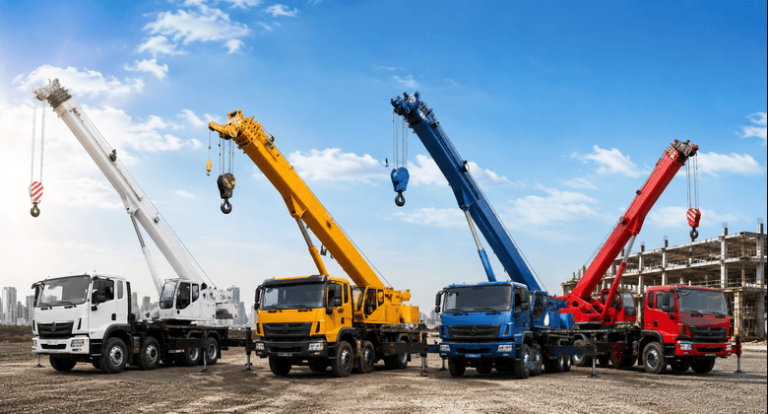
Companies handling exceptionally heavy products frequently invest in a Heavy-duty forklift because it offers greater lifting capacity and enhanced structural strength. Manufacturing facilities, construction suppliers, and industrial operations often require this type of equipment for oversized loads.
An industrial forklift is suitable for demanding environments where durability and long operating hours are essential. These machines are commonly used in factories, production facilities, and large-scale industrial warehouses that require dependable performance throughout multiple work shifts.
How the Right Equipment Improves Business Performance
Selecting equipment that matches your operational needs provides benefits beyond simple pallet transportation. Faster inventory movement reduces order processing time, allowing businesses to respond more quickly to customer demands.
Efficient storage management also enables companies to maximize warehouse capacity without investing in larger facilities. Better space utilization reduces operational costs while creating room for future inventory growth.
Improved operator visibility, advanced safety technologies, and ergonomic controls contribute to a safer workplace. Fewer accidents mean lower repair costs, reduced downtime, and increased employee confidence during daily operations.
Businesses also benefit from lower maintenance expenses when equipment is properly matched to workload requirements. Investing in reliable machinery often delivers significant long-term savings despite a higher initial purchase price.
Maintenance Tips for Long-Term Reliability
Proper maintenance is essential for extending equipment life and maintaining consistent performance. Daily inspections help identify small issues before they become expensive repairs.
Keeping batteries fully maintained improves operating efficiency while reducing unexpected downtime. Hydraulic systems should be inspected regularly to ensure smooth lifting performance, and moving components should remain properly lubricated to minimize wear.
Cleaning equipment after each shift also helps preserve visibility, protects sensitive components, and contributes to a safer working environment. Following the manufacturer’s recommended maintenance schedule keeps equipment operating efficiently for many years.
Choosing the Best Solution for Future Growth
Warehouse requirements often change as businesses expand. The equipment you choose today should be capable of supporting your future business growth, allowing your warehouse operations to expand without the need for an immediate replacement.
Companies planning to increase inventory levels, introduce taller storage systems, or expand warehouse capacity should consider equipment with additional lifting capability and advanced technology features. Investing in adaptable machinery provides greater flexibility as operational demands continue to evolve.
Choosing quality equipment from a trusted supplier also ensures better access to maintenance services, replacement parts, and technical support throughout the equipment’s lifecycle.
FAQs
What is a Reach Truck used for?
A Reach Truck is designed for indoor warehouses with narrow aisles and high storage racks. It allows operators to safely lift and retrieve pallets from elevated storage locations while maximizing available warehouse space.
Is a battery-powered forklift better than a fuel-powered model?
A battery powered forklift is generally preferred for indoor environments because it produces zero emissions, operates quietly, requires less maintenance, and offers lower operating costs over time.
When should a business choose a warehouse forklift?
A warehouse forklift is suitable for facilities that perform general pallet movement, loading, unloading, and storage operations where extremely high lifting is not required.
What industries commonly use an industrial forklift?
An industrial forklift is widely used in manufacturing plants, production facilities, heavy engineering industries, and large warehouses that require durable equipment for demanding daily operations.
What is the difference between a logistics forklift and a Heavy-duty forklift?
A logistics forklift is designed for fast-paced distribution and shipping environments where speed and efficiency are priorities. A Heavy-duty forklift, on the other hand, is built to lift significantly heavier loads and is commonly used in industrial and construction applications.
Why is material handling equipment important for warehouse operations?
Reliable material handling equipment improves warehouse efficiency by reducing manual labor, increasing storage capacity, enhancing workplace safety, accelerating inventory movement, and lowering long-term operational costs.
Conclusion
Selecting the right Reach Truck involves evaluating your warehouse layout, storage requirements, lifting capacity, and long-term business goals. A carefully chosen solution improves productivity, enhances workplace safety, and maximizes available storage space while reducing operating costs.
warehouse forklift, logistics forklift, Heavy-duty forklift, and industrial forklift to determine which solution best matches their daily operations. Whether you need to purchase new equipment or find the right solution for your warehouse, Nam Seng Cargo offers reliable material handling services tailored to your business needs. Investing in dependable material handling equipment today creates a stronger foundation for efficient warehouse performance and sustainable business growth.