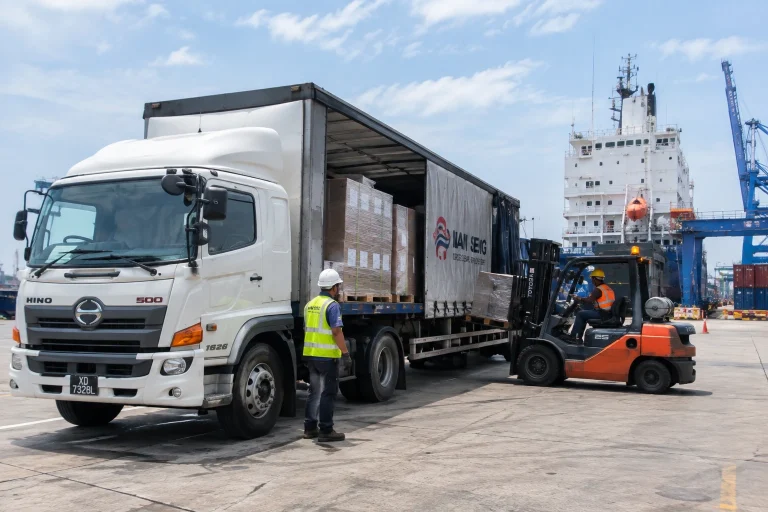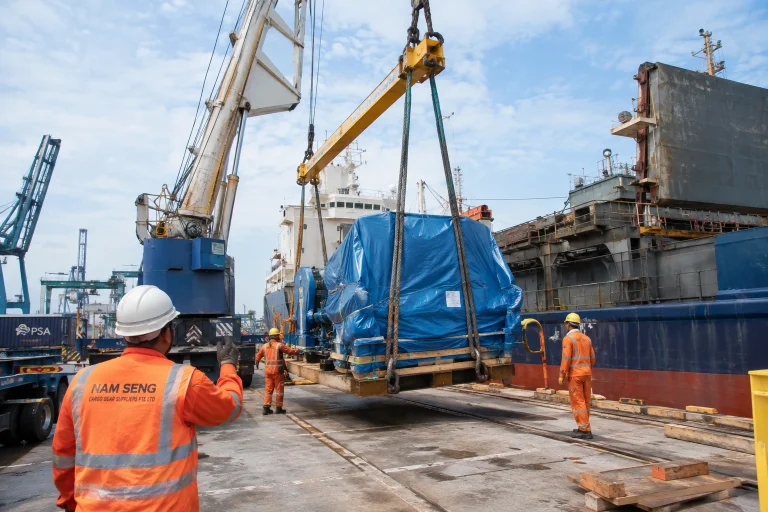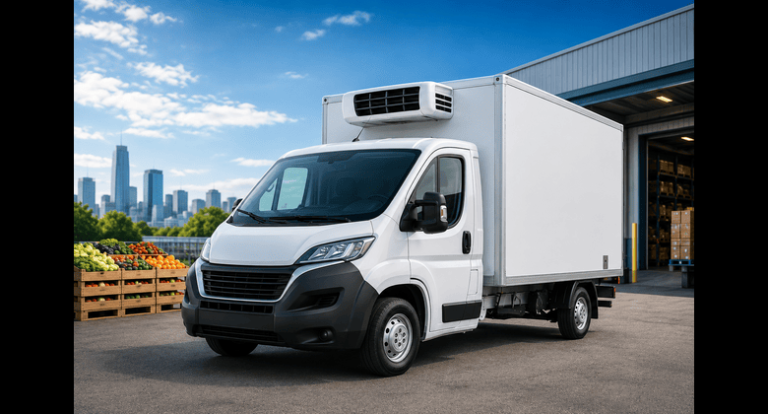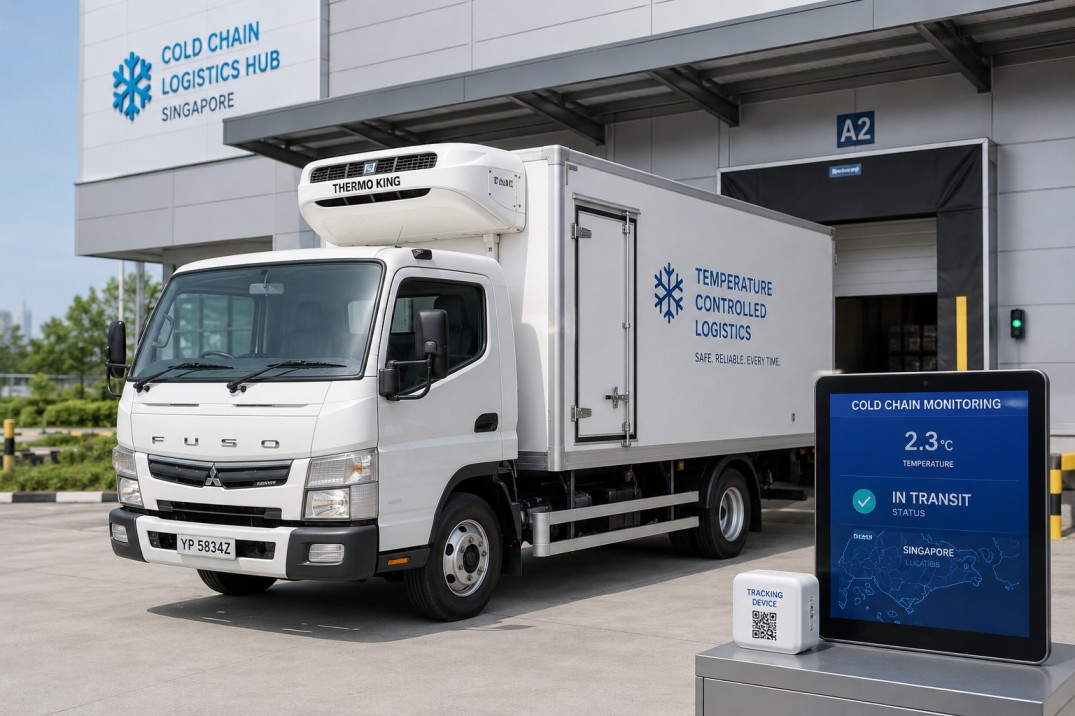
Singapore serves as a central artery for global trade, processing billions of dollars in temperature-sensitive products annually. From fresh imports to high-value pharmaceuticals, preserving cargo integrity from production lines to final delivery requires a flawless system known as cold chain logistics. Within this framework, specialized refrigerated trucks—commonly referred to as reefer trucks—serve as the crucial mobile infrastructure keeping delicate goods safe across domestic land transport routes.
Operating a reliable cold chain network inside Singapore introduces distinct environmental challenges that general cargo forwarders rarely encounter. The city-state’s persistent tropical heat, high ambient humidity levels, and dense urban traffic corridors place continuous mechanical stress on mobile refrigeration units. Managing temperature-sensitive goods demands far more than just keeping items cold; it requires strict adherence to safety standards, precise fleet monitoring, and deep regulatory compliance to safeguard product efficacy.
Core Technical Requirements for Modern Refrigerated Trucks
A standard box truck or basic delivery van cannot handle cold chain operations without destroying product integrity within minutes. Refrigerated transport units are highly specialized, mobile climate chambers engineered specifically to resist external thermal penetration while keeping internal microclimates perfectly steady. Businesses that rely on professional Refrigerated Truck Rental Services understand that consistent temperature control is critical for food safety, pharmaceutical compliance, and overall cargo quality.
Advanced Thermal Insulation Infrastructure
The foundation of any effective reefer truck is its structural insulation layout. Vehicle storage boxes are built using high-density polyurethane foam sandwiched between heavy fiberglass sheets or reinforced composite plastic layers. This specialized design minimizes thermal bridging, effectively stopping external tropical warmth from penetrating the cargo hold during extended journeys.
High-Performance Multi-Lipped Door Seals
The rear and side doors represent a common structural point for rapid temperature loss during cargo inspections. Heavy-duty reefer trucks use multi-lipped synthetic rubber gaskets that lock completely tight when latched, creating an airtight barrier that seals out hot humid air during transit.
Airflow Floor Systems and T-Bar Engineering
Cold air must circulate entirely around the stacked cargo rather than just blowing over the top layers. Specialized trucks feature corrugated aluminum floors—often called T-bar flooring—which allows continuous airflow underneath pallets, preventing warm dead spots near the vehicle floor plate.
High-Precision Transport Refrigeration Units (TRUs)
The Transport Refrigeration Unit serves as the structural heart of cold chain transport networks. Modern commercial trucks utilize smart multi-temperature units capable of dividing the physical cargo space into distinct atmospheric zones.
Multi-Zone Temperature Management Capabilities
A single vehicle can transport chilled dairy goods at 4°C in its front section while maintaining frozen seafood lines at -18°C in the rear compartment. This specialized adaptability improves fleet utility rates and lowers overall carbon footprints for local logistics providers.
Electric Standby Backup Power Systems
To protect cargo during traffic delays or warehouse loading queues, professional reefer units utilize electric standby systems. These systems plug directly into warehouse power grids, keeping the cooling system active without running the vehicle’s primary diesel engine.
Regulatory Compliance and Quality Frameworks in Singapore
Cold chain transportation plays a critical role in protecting public health, food safety, and pharmaceutical integrity. In Singapore, logistics providers must comply with strict regulatory standards enforced by multiple government authorities to ensure temperature-sensitive cargo remains safe throughout transit.
Health Sciences Authority (HSA) and GDP Compliance
Pharmaceutical logistics companies must comply with Good Distribution Practice (GDP) standards regulated by the Health Sciences Authority (HSA). Sensitive medical products such as vaccines, insulin, biologics, and laboratory samples require tightly controlled temperature conditions to preserve their effectiveness and safety.
Mandatory Temperature Auditing Procedures
Cold chain operators are required to maintain continuous digital temperature records throughout the delivery process. These audit logs prove that pharmaceutical cargo remained within approved temperature ranges during transport. Any unauthorized deviation may result in cargo rejection, quarantine, or destruction.
Routine Sensor Calibration and Validation
Temperature probes, monitoring sensors, and electronic data loggers must undergo scheduled calibration and validation by certified testing laboratories. Regular calibration ensures accurate temperature monitoring and supports full regulatory compliance.
Singapore Food Agency (SFA) Food Transport Regulations
The Singapore Food Agency (SFA) oversees the transportation of perishable food products. Regulations focus on both temperature stability and strict hygiene control to reduce contamination risks and prevent harmful bacterial growth during transit.
Cross-Contamination Prevention Standards
Refrigerated truck interiors are designed with smooth, non-porous materials that support deep sanitization and food-safe cleaning procedures. Raw food products must remain physically separated from ready-to-eat items to maintain hygiene compliance and reduce contamination risks.
Mandatory Pre-Cooling Procedures
Before loading begins, reefer truck compartments must be pre-cooled to the required transport temperature. This process removes residual internal heat and prevents sudden temperature fluctuations that could compromise product freshness, shelf life, or pharmaceutical stability.
Operational Best Practices for Maintaining Cold Chain Integrity
Investing in premium vehicle hardware is only half the battle; transport teams must follow precise operational workflows to minimize temperature disruptions at every point of the journey. Companies using professional Cold Chain Logistics Solutions often combine advanced refrigerated transport systems with strict operational protocols to ensure product freshness and regulatory compliance throughout the delivery cycle.
Implementing Real-Time Telematics Tracking
Modern cold chain management relies on continuous digital visibility rather than manual checks. Reefers are outfitted with smart sensor arrays that stream real-time temperature, humidity, and location updates to centralized fleet management control rooms.
Instant Automated Threshold Alerts
If a cooling system malfunctions or a door is left open too long, dispatchers receive immediate automated alerts, allowing them to fix the issue before cargo spoilage occurs.
Smart Traffic Route Planning
Telematics help drivers avoid heavily congested urban routes, minimizing transit times and reducing fuel consumption from the secondary refrigeration units.
Precision Loading Dock Management
The transition point between the warehouse freezer and the truck box is where many cold chain failures occur. Minimizing exposure to ambient air is crucial.
Using Sealed Inflatable Docks
Advanced logistics centers use sealed foam or inflatable dock seals that enclose the back of the truck, ensuring cargo stays in a controlled climate during loading operations.
Smart Pallet Stacking Workflows
Cargo must be stacked carefully to avoid blocking air discharge chutes near the front of the reefer box, ensuring consistent airflow throughout the shipment.
FAQs
What is the standard temperature for deep-frozen food transport in Singapore?
Deep-frozen products such as seafood, poultry, and meat should be transported at a constant temperature of -18°C or below to comply with Singapore Food Agency (SFA) cold chain safety standards.
Can standard commercial vans be converted for cold chain transport?
Yes. Commercial vans can be upgraded with high-density polyurethane insulation panels and roof-mounted refrigeration systems, making them suitable for small-scale cold chain deliveries and urban e-commerce logistics.
What happens if a temperature variance occurs during pharmaceutical transport?
If cargo temperatures move outside Good Distribution Practice (GDP) compliance ranges, the shipment must be immediately isolated and investigated. Quality assurance teams then assess whether the pharmaceutical products remain safe for use.
How often should refrigerated truck cooling systems be serviced?
In Singapore’s hot and humid climate, refrigerated transport units should typically undergo preventive maintenance, refrigerant checks, and filter servicing every 3 to 6 months to maintain reliable cooling performance.
Why is pre-cooling a reefer truck important before loading cargo?
Pre-cooling stabilizes the internal cargo compartment temperature and removes retained heat from insulation surfaces. This helps prevent sudden temperature spikes when frozen or chilled products are loaded into the vehicle.
Conclusion
Operating a successful cold chain logistics network in Singapore requires blending advanced thermal equipment with strict compliance workflows. From high-density polyurethane insulation and multi-zone climate systems to strict HSA and SFA safety audits, every element plays a vital role in protecting delicate cargo from the tropical climate. By embracing automated tracking systems and strict loading procedures, businesses can protect product quality, reduce cargo loss, and maintain an efficient supply chain. Coordinating specialty deliveries is just one aspect of a successful commercial supply chain. Contact us today to build a highly efficient, budget-conscious transport configuration for your business operations in Singapore: