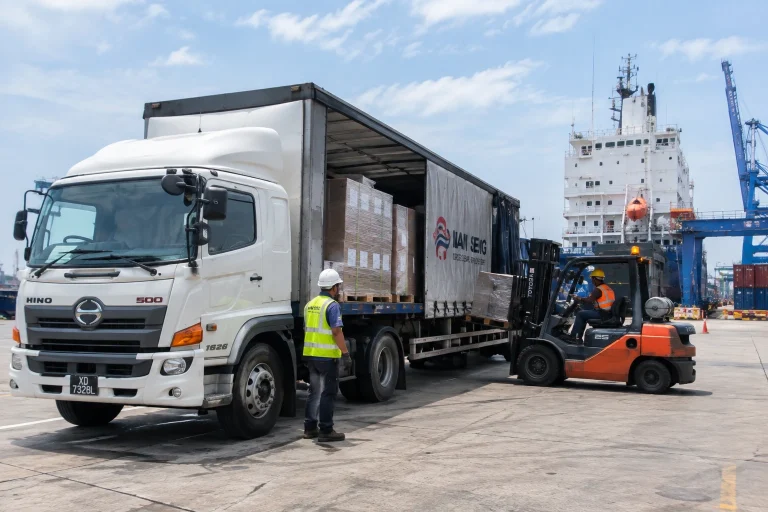
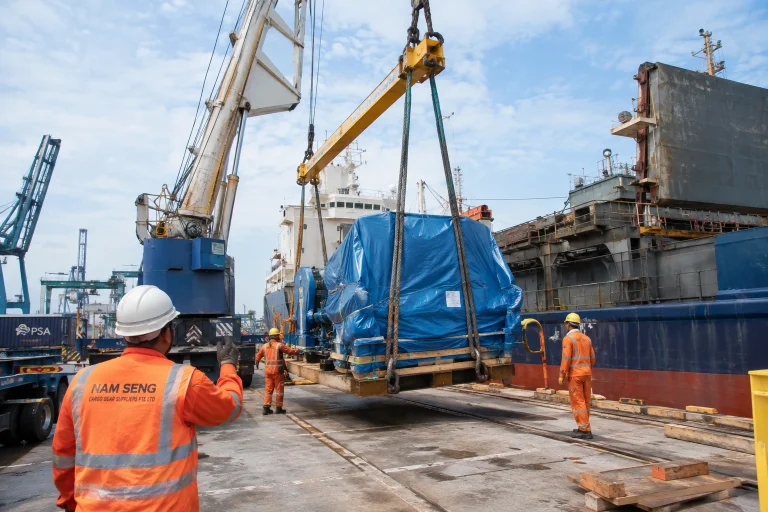
Maintaining a forklift truck is crucial for any warehouse or industrial operation. A well-maintained forklift not only enhances efficiency but also ensures safety for operators and reduces the risk of costly repairs. This forklift truck maintenance guide will explore essential tips, best practices, and expert advice to keep your forklift in optimal condition and extend its lifespan.
Why Forklift Truck Maintenance is Important
Regular maintenance of a forklift truck is necessary for several reasons. First, it guarantees operator safety by preventing mechanical failures that could lead to accidents. Second, it prolongs the forklift’s lifespan, reducing the need for early replacements.
Third, proper maintenance improves operational efficiency, allowing businesses to complete tasks faster and more reliably. Following a structured maintenance routine also helps companies comply with safety regulations and avoid penalties.
Daily Lift truck Maintenance
Daily checks form the foundation of effective forklift maintenance. Operators should perform a visual inspection before each shift, looking for any leaks, damaged forks, or worn tires. Fluid levels, including hydraulic oil, engine oil, and coolant, should be verified.
Brakes and steering must be tested to ensure smooth operation, while all lights and the horn should be checked for proper functionality. For electric forklifts, battery water levels and charge status need to be reviewed. Conducting these daily inspections prevents minor issues from turning into major problems and supports safe operation.
Weekly Forklift Truck Maintenance
Beyond daily inspections, weekly maintenance ensures more detailed checks of the Lift truck. Tire condition should be examined to confirm proper pressure and identify wear patterns. The hydraulic system must be checked for leaks and smooth operation.
Lubrication of moving parts reduces friction and wear, which contributes to the forklift’s efficiency. Forks should also be inspected carefully for cracks or bends that could compromise lifting safety. Regular weekly maintenance, as recommended in this forklift truck maintenance guide, keeps the equipment running smoothly and reduces unexpected downtime.
Monthly Warehouse forklift Maintenance
Monthly maintenance involves more in-depth checks that require mechanical knowledge. The engine should be inspected for issues with belts, hoses, and filters, replacing any components that are worn. The brake system needs a closer examination, including brake pads, discs, and fluid levels.
Transmission components should be assessed to ensure proper function, while the cooling system must be checked to avoid overheating. By adhering to these monthly tasks, businesses can prevent costly repairs and maintain their Warehouse forklifts in top condition.
Annual Warehouse forklift Maintenance
Annual maintenance must be performed by certified professionals to maintain safety and comply with industry regulations. During this inspection, the engine, hydraulic system, brakes, and electrical components are thoroughly evaluated. Load testing is conducted to ensure the forklift can safely lift its rated capacity, and certification checks verify compliance with local safety standards. Any worn or damaged parts, including tires, forks, or batteries, should be replaced as needed. Regular annual maintenance ensures the forklift remains reliable, efficient, and safe for long-term operation.
Extending Diesel lift truck Lifespan
Proper operator training is one of the most effective ways to extend a Cargo lift trucks lifespan. Operators should follow manufacturer guidelines and safe operating procedures at all times. Using genuine parts for replacements ensures reliability and prevents premature wear. Keeping detailed maintenance records helps track repairs, inspections, and replacements, allowing predictive maintenance planning. Regular cleaning of the forklift prevents dirt and debris from causing damage to moving components. Following these steps can maximize productivity while minimizing maintenance costs.
Common Diesel lift truck Problems
Even with regular maintenance, forklifts can experience issues. Battery problems are common in electric forklifts, often caused by improper charging or deep discharges. Hydraulic leaks can occur if hoses or seals are damaged, and these need immediate attention. Engine problems often arise from neglected oil changes or dirty filters, which can be avoided with routine maintenance. Tires wear over time and require careful monitoring and proper pressure management. Promptly addressing these issues keeps forklifts safe and reduces downtime.
Importance of a Maintenance Schedule
A structured maintenance schedule is essential for effective forklift management. Creating a calendar for daily, weekly, monthly, and annual tasks ensures that nothing is overlooked. Scheduled maintenance prevents unexpected breakdowns, improves safety for operators, optimizes costs by avoiding emergency repairs, and boosts overall productivity. Using maintenance management tools can help track inspections and servicing, providing reminders to keep forklifts in excellent condition.
Conclusion
In conclusion, following a forklift truck maintenance guide is essential for safety, operational efficiency, and cost savings. At Nam Seng Cargo, we ensure that consistent inspections, scheduled servicing, proper operator training, and accurate record-keeping form the foundation of an effective maintenance program. Companies that prioritize Heavy-duty intenance experience fewer breakdowns, reduced repair expenses, and improved productivity. By implementing the strategies in this guide, your fPallet trucks will remain reliable, safe, and efficient for years to come. Start using this Pallet trucks maintenance guide today with Nam Seng Cargo to enhance safety, extend equipment life, and boost overall performance.