Transportation costs are one of the biggest operational expenses for businesses involved in import, export, retail, and manufacturing. In a global trade hub like Singapore, where efficiency and speed are critical, companies increasingly rely on professional logistics providers to streamline operations and cut unnecessary costs.
In this blog, we will explore how logistics services in Singapore help businesses reduce transportation expenses while improving efficiency, reliability, and overall supply chain performance.
Understanding Logistics Services in Singapore
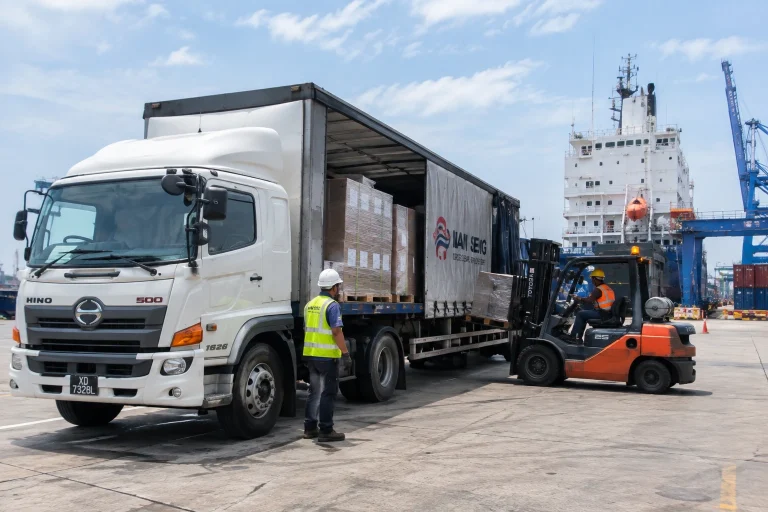
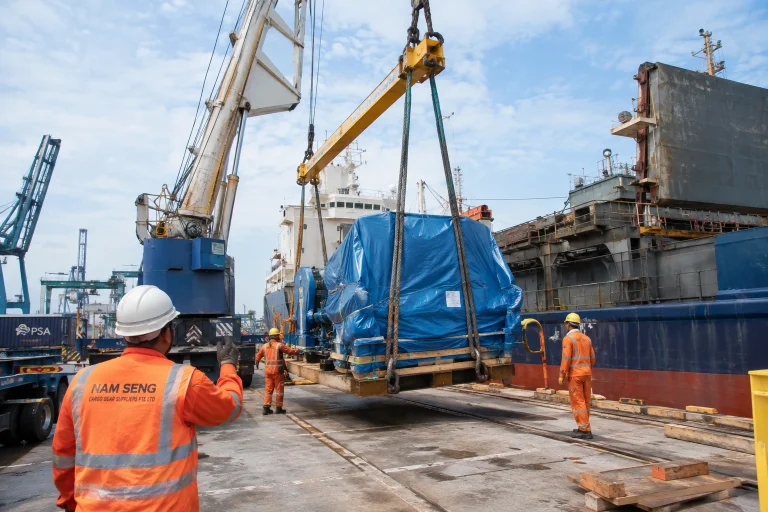
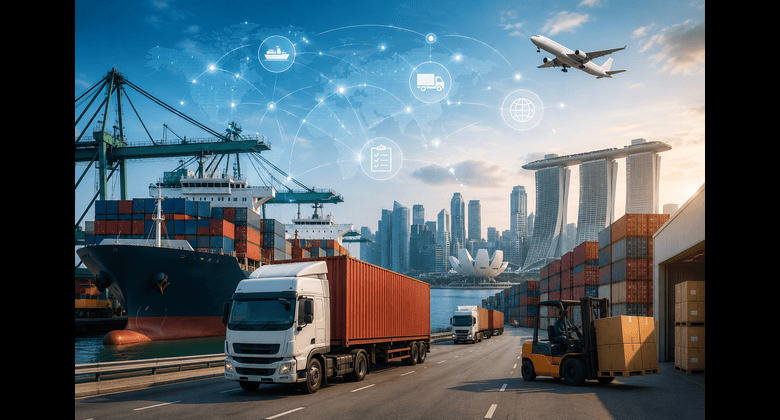
Logistics services in Singapore refer to the management of transportation, warehousing, inventory, freight forwarding, and supply chain coordination within and outside the country. Due to Singapore’s strategic location in Southeast Asia and its advanced infrastructure, it has become one of the world’s leading logistics hubs.
Businesses use logistics providers for:
- Freight forwarding (air, sea, and land)
- Warehousing and storage solutions
- Supply chain management
- Last-mile delivery services
- Customs clearance and documentation
By outsourcing these services, companies can significantly reduce operational complexity and transportation costs.
1. Optimized Route Planning Reduces Fuel Costs
One of the key ways logistics services in Singapore reduce transportation costs is through advanced route optimization.
Logistics providers use AI-powered systems and GPS tracking to determine the most efficient delivery routes. This helps in:
- Avoiding traffic congestion
- Reducing idle time
- Minimizing fuel consumption
- Shortening delivery distances
Even small improvements in route planning can lead to significant cost savings over time, especially for companies handling large delivery volumes.
2. Consolidation of Shipments Lowers Freight Expenses
Another cost-saving strategy used by logistics companies is shipment consolidation.
Instead of sending multiple small shipments separately, logistics providers combine them into a single larger shipment. This helps businesses:
- Reduce per-unit shipping costs
- Maximize container utilization
- Lower freight charges
- Improve delivery efficiency
In a high-traffic trade hub like Singapore, consolidation is one of the most effective ways to reduce unnecessary transportation expenses.
3. Efficient Warehousing Minimizes Storage Costs
Warehousing plays a major role in logistics cost management. Modern logistics solutions in Singapore offer advanced warehouse management systems (WMS) that optimize inventory storage and handling.
Benefits include:
- Reduced storage wastage
- Faster inventory turnover
- Lower labor costs
- Improved space utilization
Strategically located warehouses near ports and airports also reduce the need for long-distance transportation, further cutting costs.
4. Technology Integration Improves Efficiency
Technology is transforming the logistics industry in Singapore. Providers now use advanced digital tools to streamline operations and reduce manual errors.
Key technologies include:
- Real-time tracking systems
- AI-based demand forecasting
- Automated inventory systems
- Cloud-based logistics platforms
These tools help businesses make data-driven decisions, prevent delays, and reduce unnecessary transportation movements, ultimately lowering costs.
5. Better Supply Chain Management Reduces Waste
Efficient supply chain management is essential for controlling transportation expenses. Logistics services in Singapore help businesses coordinate every stage of the supply chain more effectively.
This includes:
- Supplier coordination
- Inventory planning
- Demand forecasting
- Distribution scheduling
When supply chains are well-managed, businesses avoid overstocking, urgent shipments, and last-minute deliveries—all of which are expensive.
6. Economies of Scale from Logistics Providers
One major advantage of outsourcing to logistics companies is economies of scale. Since logistics providers handle multiple clients, they can negotiate better shipping rates with carriers.
This results in:
- Lower freight costs per shipment
- Discounted bulk transportation rates
- Shared infrastructure costs
- Reduced operational overhead
Small and medium-sized businesses especially benefit from this cost-sharing model.
7. Reduced Labor and Operational Costs
Managing transportation internally requires hiring drivers, warehouse staff, and logistics coordinators. By outsourcing to logistics services in Singapore, businesses can significantly reduce labor costs.
Additionally, companies save on:
- Vehicle maintenance
- Fuel management
- Training and HR costs
- Fleet management systems
This allows businesses to focus on core operations like sales and product development.
8. Improved Customs Handling Prevents Delays
Singapore is a global trade hub, and customs clearance plays a crucial role in transportation efficiency. Professional logistics providers ensure smooth customs processing by handling documentation and compliance.
This helps in:
- Avoiding fines and penalties
- Reducing shipment delays
- Preventing storage charges due to delays
- Ensuring smooth cross-border trade
Faster customs clearance directly reduces overall transportation costs.
9. Last-Mile Delivery Optimization
Last-mile delivery is often the most expensive part of logistics. Logistics services in Singapore use optimized delivery networks to reduce these costs.
Strategies include:
- Local distribution hubs
- Route clustering
- Delivery time windows
- Real-time tracking for customers
These methods reduce fuel consumption, improve delivery speed, and enhance customer satisfaction.
10. Scalability Without Extra Investment
One of the key benefits of outsourcing logistics solutions in Singapore is the ability to scale operations without heavy upfront investment. Businesses can easily increase or decrease their logistics needs without purchasing additional trucks, expanding warehouse space, or hiring extra staff.
This flexibility allows companies to:
- Prevent unnecessary capital expenditures
- Adapt quickly to seasonal or fluctuating demand
- Minimize costs from underutilized vehicles and resources
- Improve overall financial efficiency and cash flow
Why Singapore is Ideal for Cost-Efficient Logistics
Singapore’s logistics ecosystem is one of the most advanced in the world. Several factors contribute to cost efficiency:
- World-class port infrastructure
- Efficient customs procedures
- Strong digital logistics ecosystem
- Strategic location in Asia
- High connectivity via air and sea routes
These advantages make logistics services in Singapore highly effective in reducing transportation costs for global businesses.
FAQs
What are llogistics company in Singapore?
logistics company singapore include transportation, warehousing, freight forwarding, supply chain management, and delivery solutions that help businesses move goods efficiently.
How do logistics companies reduce transportation costs?
They reduce costs through route optimization, shipment consolidation, bulk shipping discounts, and advanced technology systems.
Why is Singapore a logistics hub?
Singapore is strategically located, has world-class infrastructure, and offers efficient customs processes, making it a global logistics hub.
Can small businesses benefit from logistics services in Singapore?
Yes, small businesses benefit from reduced shipping costs, shared resources, and professional supply chain management.
What technology is used in modern logistics services?
Modern logistics uses AI, GPS tracking, warehouse management systems, and cloud-based platforms to improve efficiency and reduce costs.
Conclusion
Cutting transportation costs is crucial for boosting profitability and staying competitive in today’s global marketplace. By utilizing professional logistics services in Singapore, businesses can benefit from optimized delivery routes, consolidated shipments, advanced technological systems, efficient warehousing, and streamlined supply chain operations.
Whether you run a small business or a large corporation, outsourcing logistics can significantly lower operational expenses while enhancing efficiency, flexibility, and scalability. In Singapore’s fast-paced and highly competitive economy, making smart logistics decisions plays a key role in achieving long-term business growth and success.