The global supply chain depends heavily on efficient trade hubs, and Logistics Singapore plays a vital role in connecting Asia with the rest of the world. As one of the most advanced logistics ecosystems globally, Singapore has built a strong reputation for speed, reliability, and innovation in freight movement, warehousing, and distribution.
In today’s competitive economy, Logistics Singapore continues to evolve with automation, digital tracking systems, and smart port infrastructure, making it a preferred choice for multinational companies and regional distributors.
Overview of the Logistics Industry in Singapore
The logistics sector in Singapore is a cornerstone of the nation’s economy. Due to its strategic location along major shipping routes, the country has developed into a global transshipment hub.
Logistics Singapore is not just about transportation—it includes supply chain management, warehousing, freight forwarding, inventory control, and last-mile delivery solutions. The industry benefits from strong government support, world-class port facilities, and advanced digital systems.
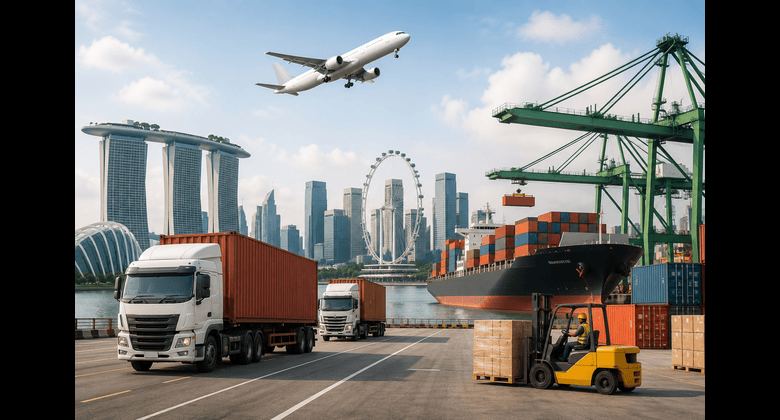
Singapore’s Changi Airfreight Centre and PSA ports are among the busiest in the world, enabling smooth cargo flow across continents.
Importance of Logistics in Singapore’s Economy
The logistics industry contributes significantly to Singapore’s GDP and employment. It supports manufacturing, retail, e-commerce, and international trade.
Logistics Singapore strengthens global connectivity by ensuring goods move efficiently between Asia, Europe, and the Americas. Without this strong logistics ecosystem, global supply chains would face delays, increased costs, and inefficiencies.
Additionally, Singapore’s free trade agreements and business-friendly regulations make it an attractive destination for logistics companies looking to expand in Asia.
Key Sectors in the Logistics Industry
The logistics ecosystem in Singapore consists of several key sectors:
1. Freight Forwarding
Freight forwarders handle the coordination of international shipments via air, sea, and land.
2. Warehousing and Storage
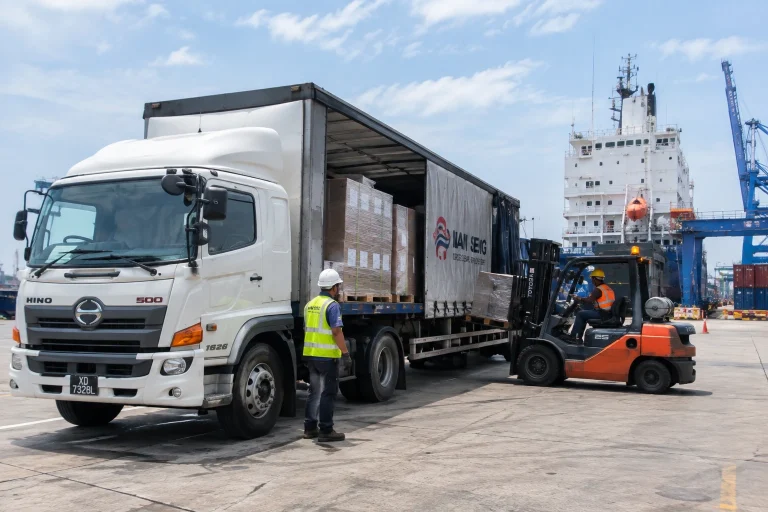
Modern warehouses in Singapore leverage automation and robotics to enhance operational efficiency and lower overall costs.
3. E-commerce Logistics
With the rapid rise of online shopping, e-commerce logistics has become a major growth driver.
4. Cold Chain Logistics
Temperature-sensitive goods such as pharmaceuticals and food require specialized handling systems.
Sea Freight Singapore integrates all these sectors into a highly efficient supply chain network that meets global standards.
Infrastructure Supporting Logistics in Singapore
Singapore’s logistics infrastructure is among the best in the world. The country has heavily invested in smart ports, advanced airports, and digital logistics platforms.
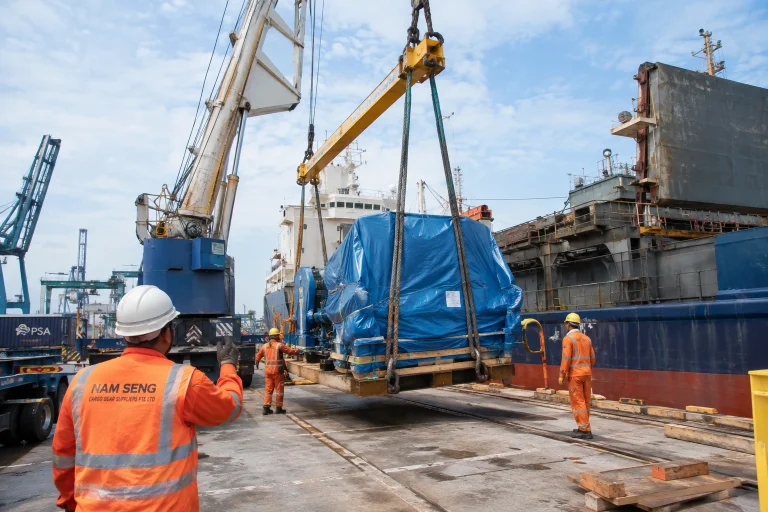
PSA Singapore operates one of the world’s busiest container transshipment hubs, while Changi Airport handles high-value and time-sensitive cargo.
sea freight Singapore also benefits from automated warehouses, AI-driven inventory systems, and integrated transport networks that connect sea, air, and land logistics seamlessly.
The Tuas Mega Port project further strengthens Singapore’s position as a leading global logistics hub.
Challenges Facing the Logistics Industry
Despite its strengths, the logistics sector faces several challenges:
Rising operational costs, land scarcity, and labor shortages can impact efficiency. Additionally, global supply chain disruptions caused by geopolitical tensions or pandemics can affect trade flow.
Logistics Singapore must continuously adapt to these challenges by adopting automation, improving sustainability practices, and diversifying supply chain routes.
Environmental concerns are also pushing companies to adopt greener logistics solutions, such as electric delivery vehicles and energy-efficient warehouses.
Opportunities for Growth and Innovation
The future of logistics in Singapore is driven by innovation and technology.
Digital transformation, artificial intelligence, and blockchain are reshaping how goods are tracked and managed.
Logistics Singapore is also benefiting from the rise of e-commerce, which has increased demand for faster delivery services and efficient last-mile solutions.
Furthermore, Singapore’s role in the Belt and Road Initiative enhances trade connectivity, opening new opportunities for logistics companies to expand their operations.
Sustainability is another key opportunity, with green logistics becoming a priority for both government and private players.
Future Outlook of Logistics in Singapore
The future of logistics in Singapore looks highly promising. The government continues to invest in smart logistics infrastructure and digital supply chain technologies.
Automation, robotics, and AI-driven systems will further improve efficiency and reduce dependency on manual labor.
Logistics Singapore is expected to become even more integrated with global trade networks, strengthening its position as a top-tier logistics hub in Asia and beyond.
As global trade continues to evolve, Singapore’s logistics sector will remain a critical enabler of economic growth and international connectivity.
FAQs
1. Why is Singapore important for logistics?
Singapore is strategically located along major shipping routes, making it a global transshipment hub with advanced logistics infrastructure.
2. What industries depend on logistics in Singapore?
Manufacturing, e-commerce, retail, pharmaceuticals, and international trade all rely heavily on logistics services.
3. How is technology changing logistics in Singapore?
Automation, AI, blockchain, and smart warehousing are improving efficiency and reducing operational costs.
4. What are the main challenges in Singapore’s logistics sector?
High costs, limited land space, labor shortages, and global supply chain disruptions are key challenges.
5. What is the future of logistics in Singapore?
The future is focused on digital transformation, sustainability, automation, and stronger global connectivity.
Conclusion
In summary, Logistics Singapore is a highly advanced and globally competitive industry that supports international trade and economic growth. Its strategic location, robust infrastructure, and innovation-driven ecosystem make it a leading global logistics hub.
The continuous evolution of Logistics Singapore ensures it remains resilient, efficient, and future-ready in an ever-changing global economy, with companies like Nam Seng Cargo contributing to the sector’s strength and reliability.