Lorry Crane Basics are essential machines in the construction, logistics, and heavy lifting industries. They combine mobility and lifting power, allowing operators to transport and lift heavy loads efficiently. Whether you are new to construction machinery or planning to operate a lorry crane, understanding its basics, operation, and maintenance is crucial for safety and performance. In this guide, we will cover everything beginners need to know about lorry cranes, including types, operation procedures, maintenance tips, and frequently asked questions.
What is a Lorry Crane?
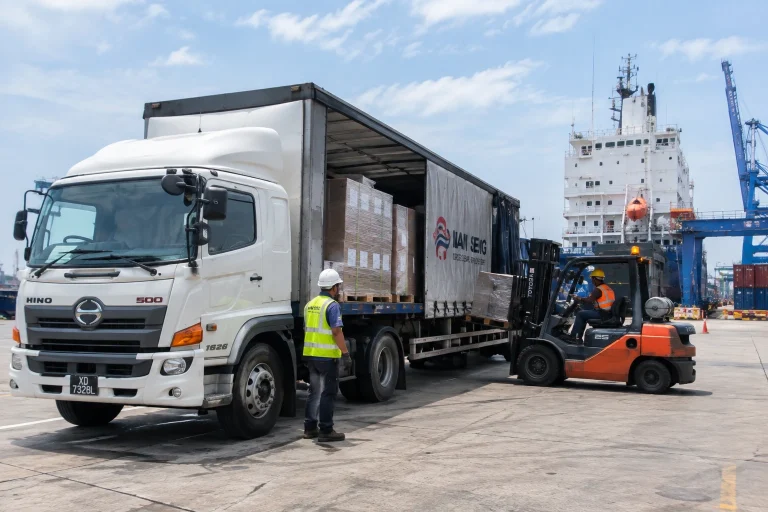
Lorry Crane Basics start with understanding that a lorry crane is a truck-mounted crane designed to lift, transport, and place heavy materials. Unlike fixed cranes, lorry cranes are mobile and can easily move between sites, making them ideal for construction, industrial, and logistical operations.
The key features of a lorry crane include a truck-mounted chassis for mobility, a hydraulic boom for lifting and extending reach, a rotating platform for 360-degree operation, and load control systems for safety and precision.
Types of Lorry Cranes
Understanding the types of lorry cranes is an important part of Lorry Crane Basics and helps beginners choose the right equipment for their projects. Mobile lorry cranes are mounted on standard trucks and provide flexibility in moving between construction sites. Telescopic lorry cranes feature a hydraulic boom that extends and retracts, which is ideal for lifting loads to varying heights.
All-terrain lorry cranes can operate both on roads and rough terrains, combining the mobility of a truck crane with the lifting capacity of a heavy-duty crane. Rough terrain lorry cranes are specifically designed for off-road operations, making them robust and highly maneuverable for mining, construction, and industrial sites.
How Does a Lorry Crane Work?
A lorry crane operates using a combination of hydraulic systems, mechanical controls, and operator input. According to Lorry Crane Basics, the main components include a hydraulic cylinder that extends and retracts the crane boom, a winch system that raises and lowers loads using steel cables, outriggers that stabilize the vehicle during lifting operations, and a control panel that allows operators to move, lift, and rotate the crane.
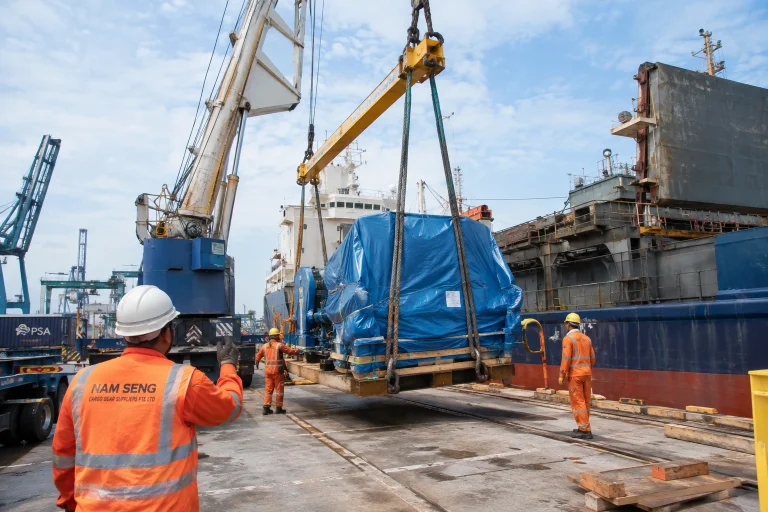
When lifting a load, the operator positions the lorry crane, extends the outriggers, and carefully operates the boom and winch system. Proper weight distribution and adherence to load limits are essential to avoid accidents.
Basic Operation Tips for Beginners
Operating a lorry crane safely requires attention, skill, and a solid understanding of the machine’s mechanics. As part of learning Lorry Crane Basics, beginners should always check the maximum lifting capacity before starting any task, as overloading can lead to dangerous accidents. Stabilizing the crane by fully extending outriggers ensures balance during lifting. Inspecting the hydraulic lines, brakes, tires, and boom for visible damage before use is crucial. Communication with ground personnel using hand signals or radios helps maintain safety. Additionally, moving loads slowly and avoiding sudden movements can prevent accidents and maintain control.
Maintenance Tips for Lorry Cranes
Regular maintenance is key to prolonging the life of a lorry crane and ensuring safety, which is an essential part of understanding Lorry Crane Basics. For companies that manage heavy equipment alongside a forklift truck rental, maintaining all machinery properly ensures smooth operations. Daily inspections should include checking hydraulic oil levels, examining cables, hooks, and winches for wear, and inspecting tires, brakes, and lights.
Weekly maintenance should involve lubricating joints, bearings, and pivot points, inspecting the crane’s boom for cracks or corrosion, and testing the stability of outriggers. Monthly maintenance should include checking hydraulic hoses for leaks or damage, inspecting the control panel and electrical systems, and performing load tests to ensure lifting capacity.
Common Safety Precautions
Safety is paramount when operating a lorry crane. Operators should wear protective gear such as helmets, gloves, and safety boots. Exceeding the crane’s rated load capacity must be avoided. Lifting loads over people or vehicles should never occur, and the ground must always be stable before operating the crane. Following manufacturer guidelines for maintenance and operation ensures both safety and longevity of the equipment.
Advantages of Using a Lorry Crane
Lorry cranes offer several benefits that make them an essential tool in construction and logistics. They provide mobility, allowing easy transport between sites. Their versatility enables handling of various loads and terrains. Lorry cranes improve efficiency by reducing manual labor and speeding up lifting tasks. Modern cranes come equipped with load sensors and stabilization systems, which enhance safety and reliability.
FAQs
What is the maximum weight a lorry crane can lift?
The lifting capacity depends on the model, but most lorry cranes can lift between 5 to 100 tons. Operators should always check the manufacturer’s specifications for exact limits.
Do I need a license to operate a lorry crane?
Yes, operating a lorry crane typically requires a certified crane operator license in most countries to ensure safety and competence.
How often should I perform maintenance on a lorry crane?
Daily inspections are recommended, weekly lubrication checks, and monthly detailed maintenance routines are necessary to maintain optimal performance.
Can lorry cranes operate on uneven terrain?
Certain models, such as rough terrain and all-terrain lorry cranes, are specifically designed to handle uneven ground safely.
How do I prevent the crane from tipping over?
Operators must always use outriggers, check the ground stability, and never exceed load limits.
Conclusion
For beginners, understanding lorry crane basics is essential for safe and efficient operation. From selecting the right type, learning how to operate the machine, to performing regular maintenance, these steps ensure longevity and performance. With proper training, adherence to safety standards, and routine maintenance, a lorry crane becomes a valuable asset for any construction or industrial project. Companies like Nam Seng Cargo rely on well-maintained cranes to handle heavy loads efficiently. Investing time in learning these fundamentals not only improves safety but also enhances operational efficiency.