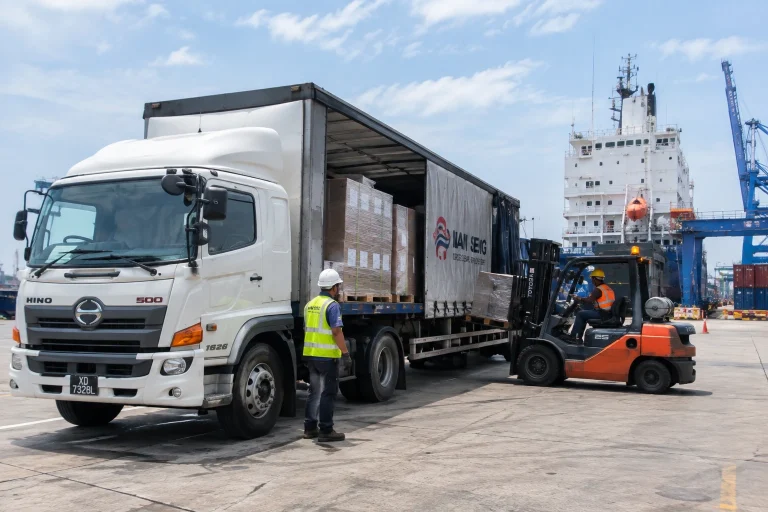
In today’s global trade environment, efficiency in air cargo operations is critical. An airport logistics warehouse plays a central role in ensuring that goods are stored, processed, and dispatched quickly and accurately. From handling perishable goods to large freight shipments, these warehouses must be optimized to reduce delays, lower costs, and maintain high service standards. This article explores key strategies and best practices for improving airport logistics warehouse management to achieve faster and more reliable shipments.
Understanding Airport freight terminal
An Air freight logistics hub is a specialized facility designed to store and manage cargo at or near airports. These warehouses handle a wide range of shipments, including commercial products, perishable items, high-value electronics, and bulk cargo. The primary function of these facilities is to ensure cargo moves efficiently from arrival to dispatch, supporting airlines, freight forwarders, and logistics providers.
Effective warehouse management involves organizing inventory, managing storage space, coordinating cargo movement, and maintaining compliance with safety and regulatory standards. A well-structured airport logistics warehouse reduces the risk of lost or damaged cargo while ensuring that shipments meet tight delivery schedules.
The Importance of Efficient Warehouse Management
Efficient Air logistics storage facility management directly impacts shipment speed, operational costs, and customer satisfaction. Poorly managed warehouses can lead to misplaced cargo, processing delays, and increased labor costs. Conversely, a streamlined warehouse ensures quick cargo turnaround, higher storage capacity, and improved workforce productivity.
Airlines and freight operators depend on warehouses to track inventory, manage documentation, and schedule shipments accurately. A warehouse that operates efficiently supports faster delivery, reduces operational bottlenecks, and strengthens the overall supply chain.
Optimizing Storage in Airport Logistics Warehouses
Storage optimization is one of the most important aspects of Airport cargo handling center management. Cargo should be categorized by size, type, and urgency to facilitate faster access and handling. Organizing inventory strategically ensures that high-priority shipments can be dispatched quickly, reducing delays and improving overall throughput.
Utilizing vertical space effectively allows warehouses to increase storage capacity without overcrowding. High-rise shelving and racks maximize the available area while keeping cargo easily accessible. Additionally, integrating digital inventory management systems enables real-time tracking of shipments, monitors stock levels, and predicts storage needs. Combining physical organization with advanced technology ensures that all cargo is secure and efficiently stored.
Streamlining Operational Processes
Operational efficiency is crucial for fast shipments in any airport logistics warehouse. Cargo handling, including loading, unloading, sorting, and transportation within the warehouse, must be optimized. Implementing conveyors, forklifts, and automated guided vehicles reduces manual handling errors and accelerates processing times.
Regular maintenance of equipment and storage areas ensures smooth warehouse operations. Preventive maintenance for forklifts, conveyor belts, and automated systems minimizes downtime, allowing operations to continue uninterrupted. Training staff to handle cargo safely and efficiently is equally important. Employees who understand warehouse processes and technology contribute to faster operations and fewer errors, which directly impacts shipment speed.
Safety and Compliance in Aviation logistics warehouse
Safety and compliance are essential in warehouse management. Aviation logistics warehouses handle diverse cargo, including hazardous materials and temperature-sensitive goods. Proper handling procedures, adherence to IATA and local safety regulations, and temperature-controlled storage are critical to prevent damage or loss.
Security measures, such as surveillance cameras, access controls, and alarm systems, protect high-value shipments from theft or unauthorized access. Compliance with international and national guidelines not only safeguards cargo but also maintains the warehouse’s credibility and reliability within the logistics network.
Leveraging Technology for Faster Shipments
Technology plays a vital role in modern Air transport storage facility management. Warehouse Management Systems (WMS) provide real-time monitoring of cargo, streamline inventory tracking, and enhance reporting capabilities. Barcode and RFID scanning allow precise tracking of each shipment throughout the warehouse, reducing errors and improving accountability.
Automated Storage and Retrieval Systems (ASRS) enable warehouses to handle larger volumes of cargo efficiently while minimizing manual labor. IoT sensors monitor environmental conditions such as temperature, humidity, and security in real-time, ensuring the safe handling of sensitive goods. By integrating these technologies, warehouses can increase operational efficiency and ensure faster, more accurate shipments.
Benefits of Optimized Air transport storage facility Management
Optimized Air cargo warehouse management delivers several advantages. It improves cargo turnaround times, reduces labor and storage costs, and minimizes the risk of shipment delays or damage. Efficient warehouses also enhance customer satisfaction by ensuring timely deliveries and reliable service.
Beyond operational benefits, optimized warehouse management strengthens the overall supply chain. Airlines, freight forwarders, and logistics providers experience fewer disruptions and can maintain predictable shipping schedules. In a competitive air cargo industry, effective warehouse management is a strategic advantage that drives growth and efficiency.
Conclusion
Efficient airport logistics warehouse management is essential for ensuring faster shipments and reliable air freight operations. By optimizing storage, streamlining operational processes, ensuring safety and compliance, and leveraging modern technology, warehouses can handle cargo more efficiently, reduce delays, and improve customer satisfaction. For more information or inquiries, please contact us today to learn how we can support your air cargo operations.
Airports and logistics providers that prioritize warehouse optimization benefit from reduced operational costs, enhanced service quality, and stronger supply chain reliability. In today’s fast-moving logistics industry, investing in efficient warehouse management is no longer optional; it is a necessary step for maintaining competitiveness and achieving business excellence.