When choosing between a Self-Drive vs. Hired Driver lorry rental in Singapore, self-drive appears cheaper on paper due to lower base daily rates. However, when factoring in Singapore’s Class 4/5 driving license requirements, fuel consumption, ERP road tolls, potential accident liabilities, and lost worker productivity during manual loading, hiring a lorry rental with an experienced driver often yields higher net operational savings for commercial cargo runs.
The Commercial Fleet Rental Dilemma in Singapore
Whether you are managing a last-mile delivery run, moving heavy industrial machinery from Jurong Port, or clearing e-commerce inventory from a Free Trade Zone (FTZ) warehouse, commercial road transport is a major operational expense in Singapore.
When sourcing logistics vehicles, fleet managers and business owners face a fundamental decision: self-drive vs. hired driver lorry rentals.
At first glance, opting for a self-drive vehicle seems like an obvious way to cut expenses by eliminating driver labor fees. However, commercial road transport in Singapore involves hidden costs—from Land Transport Authority (LTA) licensing restrictions and Electronic Road Pricing (ERP) gantries to vehicle downtime and cargo damage risks.
Evaluating Self-Drive vs. Hired Driver options requires calculating the total cost of operation rather than just comparing upfront daily rental rates.
1. Upfront Base Costs vs. Hidden Operational Expenses
Evaluating Self-Drive vs. Hired Driver lorry rentals requires looking beyond the advertised daily rate.
The Financial Breakdown of Self-Drive Rentals
A self-drive agreement gives you total operational control over the vehicle for a fixed daily or monthly fee.
- The Savings: You pay purely for the vehicle asset without covering driver hourly wages or overtime surcharges.
- The Hidden Expenses: Your company assumes full financial responsibility for fuel, ERP charges, parking fees at commercial loading bays, security deposits, and insurance excess in the event of an accident. Furthermore, using an internal employee to drive diverts them from their primary duties, creating hidden labor costs.
The Financial Breakdown of Hired Driver Rentals
A driver-inclusive service bundles the vehicle, a licensed commercial driver, and often fuel or toll considerations into a unified rate.
- The Savings: Eliminates accident liability risks, protects internal staff productivity, and prevents costly delays caused by navigation errors or unfamiliarity with port loading protocols.
- The Surcharge: Upfront daily rates are higher because they incorporate skilled labor, MOM-compliant working hours, and professional handling expertise.
2. Singapore Driver Licensing & Legal Regulations
A critical operational factor when weighing Self-Drive vs. Hired Driver lorry rentals is driver licensing compliance under Singapore’s Traffic Police and LTA regulations.
- Class 3 / 3A Licenses: Restricted to light goods vehicles (LGVs) and small vans with an unladen weight not exceeding 2,500 kg or motor vehicles with a maximum laden weight up to 3,000 kg.
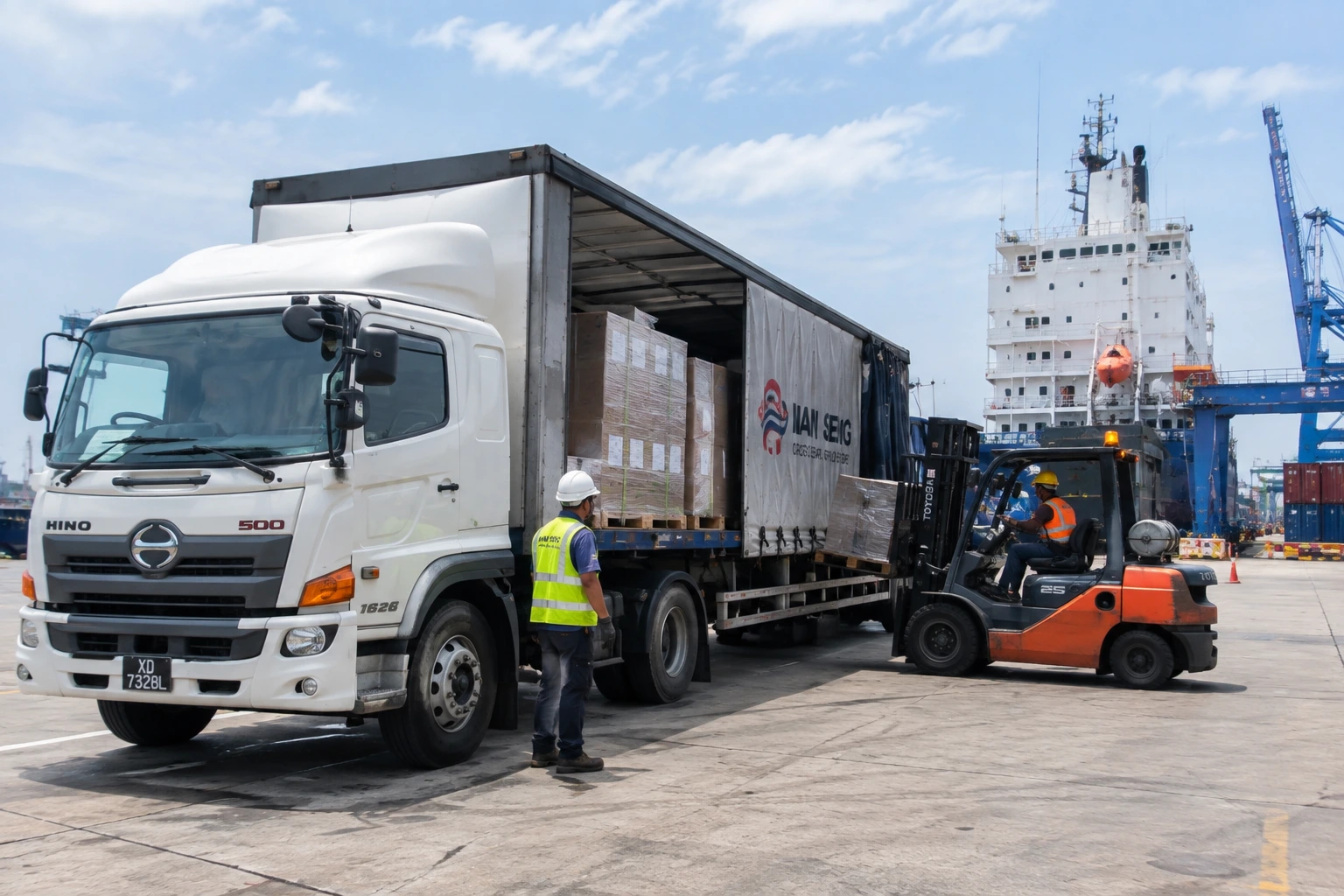
- Class 4 Licenses: Required to drive heavy goods vehicles (HGVs) exceeding 2,500 kg unladen weight, including standard 14ft, 16ft, and 24ft box lorries.
- Class 5 Licenses: Mandatory for heavy vehicles with an unladen weight exceeding 7,250 kg, such as multi-axle trailers and heavy lorry cranes.
If your internal team only holds standard Class 3 passenger car licenses, you cannot legally operate a heavy 24ft cargo lorry or a 10-ton flatbed. Attempting to do so risks severe legal penalties, insurance voidance, and heavy fines.
Choosing a driver-inclusive service eliminates licensing headaches because the rental provider supplies fully certified, Class 4/5 licensed drivers trained in heavy vehicle safety.
3. Productivity, Safety, and Cargo Securing
The debate between Self-Drive vs. Hired Driver lorry rentals extends beyond fuel and rental receipts; it directly impacts worker safety and cargo protection.
Moving commercial freight requires proper weight distribution, rigging, and cargo securing. Inexperienced drivers operating heavy vehicles risk shifting loads, tipping cargo during sudden braking, or damaging goods during transport.
Professional lorry drivers bring specialized industry skills:
- Navigational Knowledge: Familiarity with Singapore’s height-restricted underpasses, industrial park loading bays, and peak-hour ERP traffic patterns.
- Heavy Equipment Operation: Expertise in operating hydraulic tailgates, side-curtain mechanisms, and vehicle-mounted cranes.
- WSH & Site Compliance: Understanding Ministry of Manpower (MOM) Workplace Safety and Health guidelines, including required safety gear and Permit-to-Work (PTW) procedures at regulated berths such as Jurong Port and Keppel Distripark.
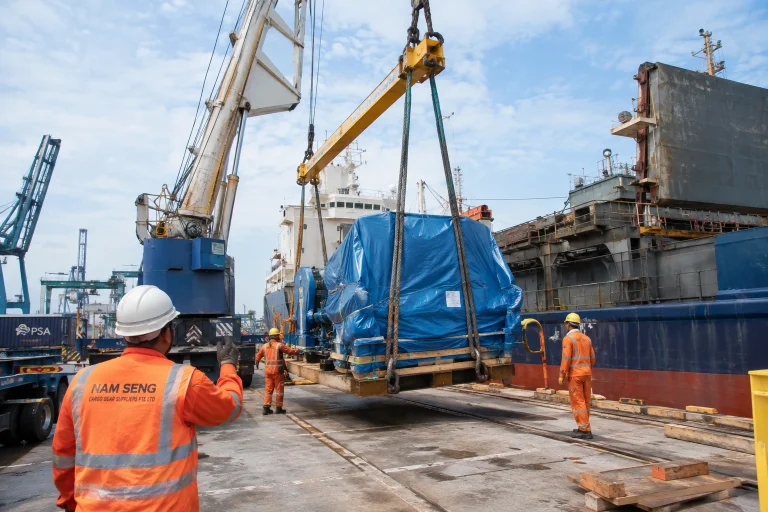
For complex cargo transfers, combining vehicle transport with professional ground handling is essential. To streamline vessel-side cargo transfers and yard operations, explore Nam Seng Cargo’s stevedoring and ground handling services in Singapore for certified port crews.
4. Cost Comparison Scenario: Single-Day 24ft Cargo Run
To illustrate the true financial impact of Self-Drive vs. Hired Driver choices, consider a standard commercial scenario: transporting 8 tonnes of palletized goods from a West Region warehouse to an East Coast distribution hub using a 24ft lorry.
Scenario A: Self-Drive Lorry Rental
- Base Vehicle Rental: 24ft Box Lorry asset rate
- Internal Staff Labor: Class 4 driver internal labor (diverted work hours)
- Variable Operating Costs: Diesel fuel and ERP charges are paid separately.
- Handling Delays: Unloading delay costs (inexperienced maneuvering at loading bay)
- Total Estimated Risk Exposure: Full insurance excess liability in case of minor body scratches or collisions
Scenario B: Lorry Rental with Hired Driver
- All-Inclusive Package: Lorry rental bundled with a professional commercial driver
- Tolls & Fuel Included: Diesel fuel and toll charges are covered under the fixed service terms.
- Staff Opportunity Cost: Zero internal staff time diverted (team remains focused on core work)
- Cargo & Collision Protection: Collision claims and risk of cargo damage borne by fleet operator
- Total Estimated Risk Exposure: Minimal operational risk transferred to fleet provider
In this typical commercial scenario, selecting a hired driver optimizes workflow efficiency while completely removing collision liability and project risk from your balance sheet.
5. When Should You Choose Self-Drive vs. Hired Driver?
Neither option fits every scenario. Here is how to select the right approach for your logistics needs:
Choose Self-Drive Lorry Rental When:
- You require a light goods vehicle (10ft to 14ft) manageable with a Class 3 license.
- Your company employs full-time, experienced commercial drivers with active Class 4/5 licenses.
- You need a long-term vehicle hire (monthly or annual lease) to integrate into your existing fleet.
- The route involves multiple short-distance internal shuttle runs between nearby company facilities.
Choose Hired Driver Lorry Rental When:
- You are transporting high-value, heavy, or out-of-gauge (OOG) machinery requiring a 24ft lorry or lorry crane.
- Your internal staff lack valid Class 4/5 commercial driving licenses.
- You need one-off, urgent, or ad-hoc cargo transfers without long-term commitments.
- You want to eliminate financial liability for road accidents, vehicle wear, and traffic fines.
For businesses looking for flexible fleet solutions, explore our complete lorry and truck rentals in Singapore to select from 14ft, 16ft, and 24ft vehicles available with or without experienced drivers.
Summary Matrix: Self-Drive vs. Hired Driver Comparison
While self-drive rentals lower initial costs by pushing licensing, fuel, labor, and collision risks onto your business, hiring a professional driver offers a fixed rate that transfers all regulatory and cargo liabilities to the fleet operator.
The comparison matrix below highlights how both options perform across key financial, legal, and operational metrics:
| Evaluation Feature | Self-Drive Rental | Hired Driver Rental |
| Primary Upfront Cost | Lower base daily rate | Moderate bundled rate |
| License Requirement | Must provide Class 3/4/5 driver | Provider handles all licensing |
| Fuel & ERP Responsibility | Lessee pays separately | Often bundled or fixed |
| Accident & Excess Risk | High financial liability | Covered by fleet operator |
| Loading & Securing Support | Self-managed by your staff | Professional driver assists |
| Ideal Use Case | Long-term fleet integration | Ad-hoc, heavy cargo, & one-off runs |
Partner with Nam Seng Cargo for Flexible Fleet Solutions
When deciding between a Self-Drive vs. Hired Driver setup, partnering with an established logistics provider ensures you get transparent pricing, well-maintained vehicles, and safety-certified support.
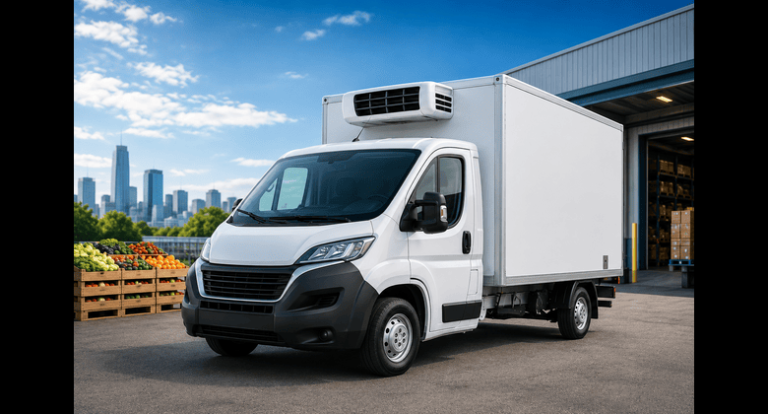
With over 35 years of logistics experience in Singapore, Nam Seng Cargo operates an extensive, owned fleet of 14ft, 16ft, and 24ft lorries, lorry cranes, and refrigerated trucks available with or without professional drivers.
Need a fast quote for your next cargo run? Contact Nam Seng Cargo today to discover the most cost-effective vehicle rental setup for your business.
Frequently Asked Questions
What license do I need to rent a self-drive lorry in Singapore?
For light goods vehicles (LGVs) under 2,500 kg unladen weight, a standard Class 3 or 3A driving license is sufficient. For heavy goods vehicles (HGVs) like 14ft, 16ft, or 24ft lorries, a Class 4 or Class 5 driving license is legally required.
Are fuel and ERP charges included when comparing Self-Drive vs. Hired Driver rentals?
For self-drive rentals, fuel, ERP tolls, and parking fees are almost always paid separately by the hirer. For driver-inclusive rentals, these charges are typically factored into the overall service quote or billed as transparent, fixed add-ons.
Which option saves more money for short-term commercial deliveries?
For one-off or ad-hoc commercial deliveries, hiring a lorry with a driver generally saves more money. It eliminates internal labor diversion, avoids licensing roadblocks, and protects your business from expensive accident excess fees.