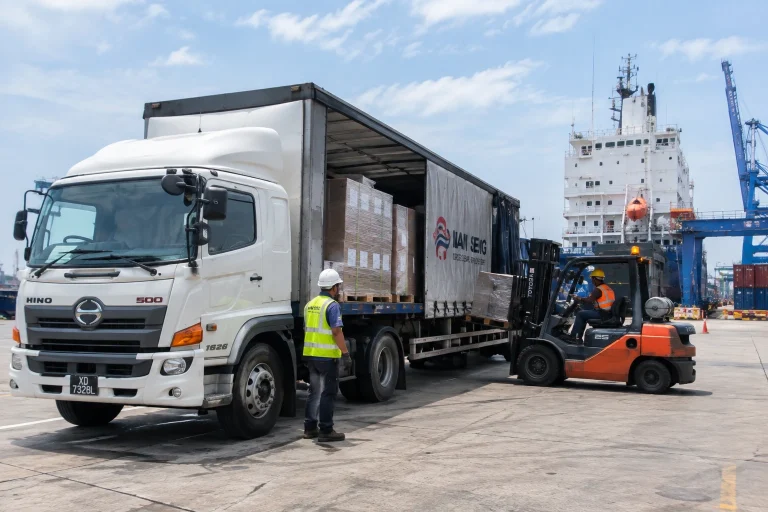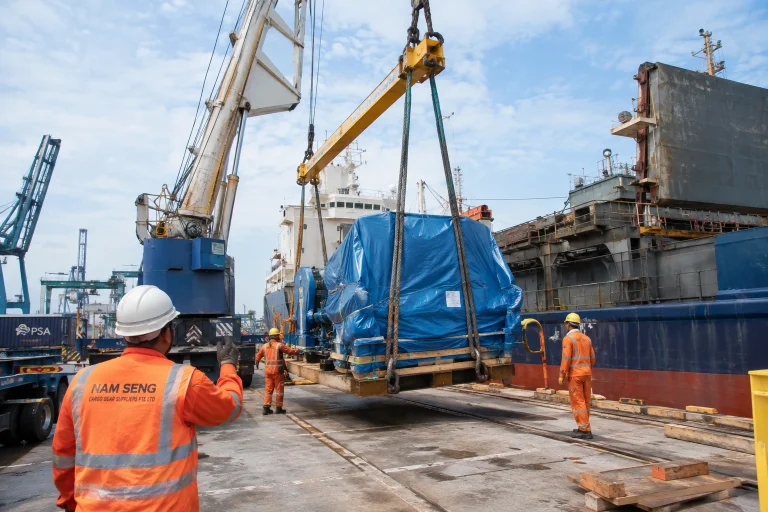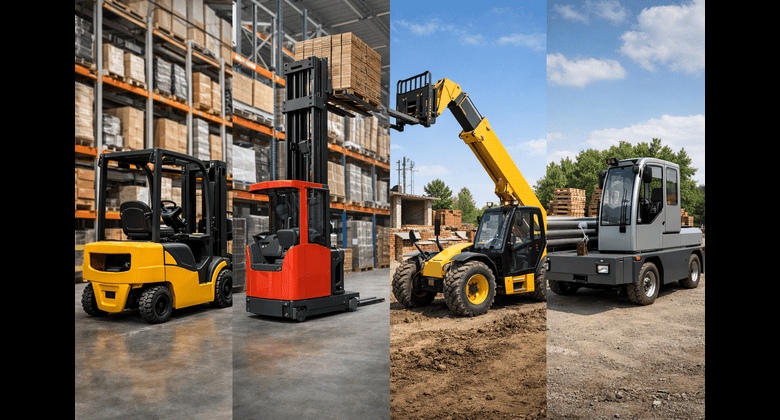
A fork truck plays a vital role in modern industries by making material handling faster, safer, and more efficient. From warehouses to construction sites, businesses rely on this equipment to lift and transport heavy goods with ease. As industries have evolved, so have the different types of fork trucks, each designed for specific tasks and working environments.
Understanding the various options available can help you choose the right equipment for your business and improve overall productivity.
Understanding the Purpose of a Fork Truck
A forklift truck is designed to lift, carry, and place heavy loads that would otherwise require significant manual effort. It reduces the risk of injury while improving workflow efficiency. In industries where time and accuracy are critical, using the right fork truck can make a significant difference in daily operations.
Counterbalance Fork Trucks
Counterbalance models are among the most commonly used types of fork truck. These machines feature forks at the front and a counterweight at the back, which helps balance heavy loads during lifting and transport.
This type of fork trucks is widely used in warehouses and distribution centers because it is simple to operate and highly versatile. It can be powered by electricity, diesel, or gas, depending on the working environment and business needs.
Reach Trucks
Reach trucks are specially designed for indoor use in warehouses with narrow aisles and high storage racks. This type of fork trucks can extend its forks forward, allowing it to reach pallets stored at significant heights.
Their compact design and high lifting ability make this fork trucks ideal for maximizing storage space. Businesses that deal with high inventory volumes often rely on this fork trucks to improve storage efficiency.
Pallet Jacks
Pallet jacks are one of the simplest forms of fork truck and are used for moving pallets over short distances. They are available in both manual and electric versions, making them suitable for small and medium-sized operations.
Although pallet jacks do not offer high lifting capabilities, they are highly effective for basic material handling tasks and are often used in retail stores and small warehouses.
Rough Terrain Fork Trucks
Rough terrain models are designed for outdoor use where surfaces are uneven or challenging. This type of fork truck comes with large, durable tires and a strong suspension system, allowing it to operate efficiently on rough ground.
They are commonly used in construction, agriculture, and outdoor storage areas where standard models may not perform well. Their power and stability make them essential for heavy-duty outdoor tasks.
Telehandlers
Telehandlers, also known as telescopic handlers, are a versatile type of fork truck used in construction and industrial applications. These machines feature an extendable boom that allows operators to lift loads to greater heights and distances.
Their flexibility makes them suitable for a wide range of tasks, including lifting materials to elevated positions. With the ability to attach different tools, telehandlers offer multi-functional capabilities for demanding work environments.
Order Pickers
Order pickers are designed for warehouses where individual items need to be selected from shelves. This type of fork truck lifts the operator along with the load, making it easier to access items stored at higher levels.
They are commonly used in eCommerce and retail warehouses, where accuracy and speed are important. By improving accessibility, order pickers help streamline the picking process.
Side Loader Fork Trucks
Side loaders are unique in design, as they carry loads on the side rather than the front. This specialized fork truck is ideal for handling long and bulky materials such as timber, pipes, or metal sheets.
Their ability to operate in narrow aisles while carrying large items makes them a valuable asset in industries dealing with oversized materials.
Choosing the Right Fork Truck
Selecting the right fork truck depends on several important factors. The working environment plays a key role, as indoor operations often require electric models while outdoor tasks demand more robust machines. Load capacity is another critical consideration, as the equipment must safely handle the weight of the materials being transported.
Lift height should also be evaluated, especially for warehouses with high storage systems. Additionally, the available space and frequency of use will influence the type of equipment that best suits your needs.
Benefits of Using a Fork Truck
Using a fork truck provides numerous advantages for businesses of all sizes. It improves operational efficiency by reducing the time required to move heavy goods. It also enhances workplace safety by minimizing the need for manual lifting.
Furthermore, a fork truck helps streamline logistics and ensures smoother workflow in warehouses and industrial settings. By investing in the right equipment, businesses can achieve long-term productivity and cost savings.
Maintenance and Safety Considerations
Proper maintenance is essential to keep a fork truck running efficiently. Regular inspections help identify potential issues before they become major problems. Checking essential components such as brakes, tires, and fluid levels ensures safe operation.
In addition to maintenance, operator training is crucial. Ensuring that workers understand how to use a forklift truck correctly can significantly reduce the risk of accidents and improve overall performance.
FAQs
What is a forklift used for?
A forklift is used to lift, carry, and transport heavy materials in warehouses, factories, and construction sites.
What is the most common type of forklift truck?
The counterbalance model is the most common type because it is versatile and easy to operate.
Can a forklift truck be used outdoors?
Yes, certain types, such as rough terrain models, are specifically designed for outdoor use.
How do I choose the right forklift?
You should consider factors like load capacity, lift height, working environment, and space availability.
Are electric forklift trucks better than fuel-powered ones?
Electric models are more eco-friendly and quieter, while fuel-powered options are better suited for heavy-duty tasks.
Conclusion
There are many different types of forklift trucks available, each designed to meet specific operational needs. From counterbalance models to specialized equipment like telehandlers and side loaders, every type offers unique advantages.
Choosing the right forklift requires careful consideration of your business requirements, working environment, and operational goals. For any logistics company in Singapore, selecting the right equipment can improve efficiency, enhance safety, and support long-term growth.