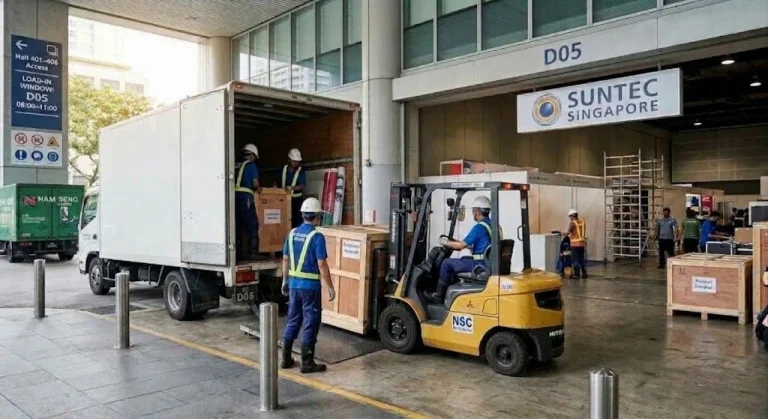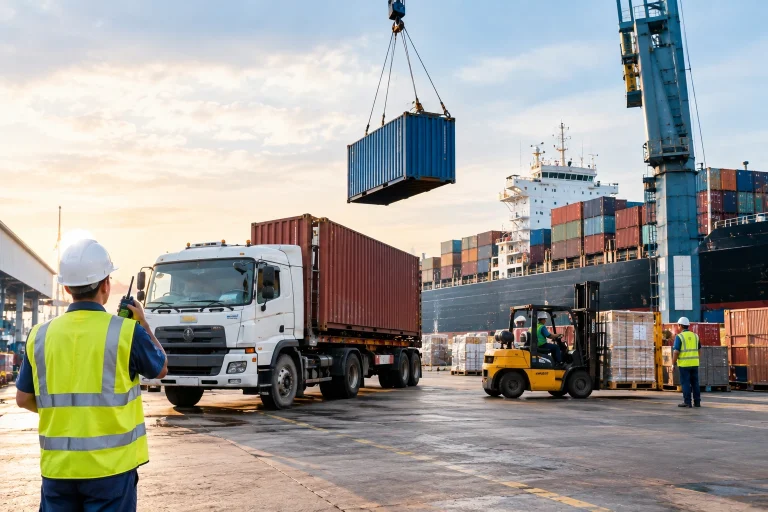
Every container, crate, and machine that arrives at a Singapore port must be unloaded safely. Someone has to lift it, move it, and secure it. That work is called stevedoring. When cargo is heavy or oddly shaped, the job needs even more skill. This guide explains how container stevedoring Singapore teams handle heavy lift and break bulk cargo.
Stevedoring covers loading, unloading, and securing cargo at ports and terminals. For heavy lift and break bulk jobs, it also includes careful planning, trained crews, and the right lifting equipment.
What Is Stevedoring?
Stevedoring is the hands-on cargo work done between a vessel and the yard. Stevedores load and unload goods, sort them, and secure them for transport. Their work keeps vessels moving and reduces waiting time at the berth.
It is different from freight forwarding. A forwarder arranges the shipment. A stevedoring team physically handles the cargo.
What Does Container Stevedoring Include?
In container stevedoring Singapore operations, crews handle 20ft and 40ft containers from vessel to yard and back. The work often goes beyond simple lifting.
Common tasks include:
- Loading and unloading containers
- Lashing and securing cargo
- Cargo inspection and tally
- On-site container unstuffing
- Sorting and segregation of goods
- Roll-on/roll-off (RoRo) vehicle handling
Each task protects the cargo and the people around it. Accurate tally records also help avoid disputes later.
Understanding Break Bulk Cargo
Break bulk cargo is loaded piece by piece, not inside a standard container. Items may arrive in crates, bags, drums, or steel bundles. Many are long, heavy, or awkward.
Experienced container stevedoring Singapore crews handle these mixed loads every day. Because break bulk goods are not standardized, each job needs its own plan. The crew must decide how to lift, where to place, and how to secure every piece. Good tally and inspection are essential, since one damaged item can delay the whole project.
What Makes Heavy Lift Cargo Different?
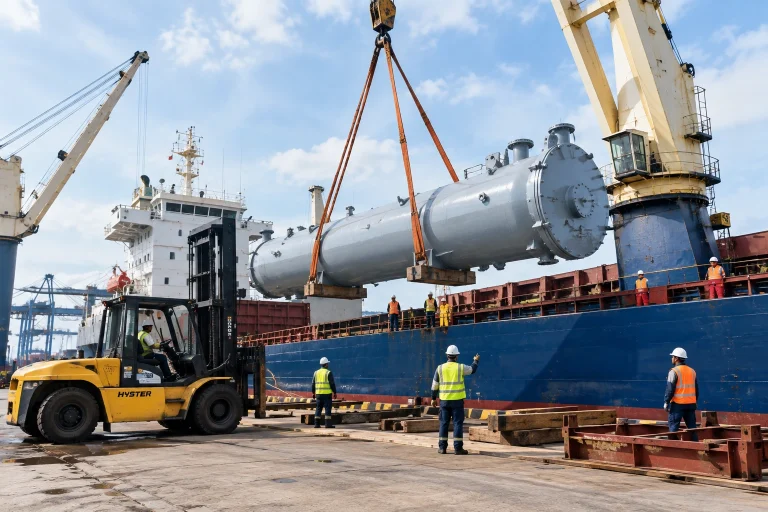
Heavy lift cargo is cargo too large or heavy for normal handling equipment. Examples include machinery, generators, tanks, and project components for plants and construction sites.
These jobs carry higher risk. A poor lift can damage the cargo, harm workers, or close part of a yard. For this reason, container stevedoring Singapore providers plan heavy lifts carefully before work begins.
Planning usually covers:
- Cargo weight and dimensions
- Lifting points and rigging method
- Crane or lifting equipment capacity
- Ground conditions at the site
- A written risk assessment
Where a lift goes beyond standard forklift capacity, mobile cranes are arranged through trusted contracted partners.
The Role of Safety and Certification
Port and yard work is hazardous. Moving loads, heavy machinery, and tight spaces all add risk. Singapore places strong emphasis on workplace safety, and clients increasingly ask for certified crews and written safety plans.
Before any job, a competent provider should offer a site-specific risk assessment. A site visit is also helpful when the layout is complex. Clear communication between crane operators, riggers, and signalmen prevents most accidents.
How Nam Seng Cargo Supports Stevedoring Jobs
Nam Seng Cargo has supported Singapore’s logistics sector since 1988. Its stevedoring and ground handling team covers container loading and unloading, break bulk and conventional cargo, RoRo handling, lashing, and derrick and crane operations. The team holds WSH certification and offers written quotes with a site-specific risk assessment within one to two working days.
Many jobs also need extra equipment. Customers can add forklift and lifting equipment rental to the same booking. Goods that need short-term storage can be held in the company’s warehousing and storage facility at Bukit Batok.
Having these services under one roof means one point of contact and one invoice. That saves time and reduces miscommunication.
Tips for Planning Your Stevedoring Job
A smooth job starts well before the vessel arrives. Follow these tips:
- Share cargo weight, size, and type early
- Confirm the vessel schedule and berth details
- Provide drawings or photos for unusual cargo
- Ask for a risk assessment and method plan
- Book equipment and crew in advance
- Confirm where the cargo will go after unloading
Late changes cause delays and extra cost. Early planning prevents both, and it gives the crew time to prepare the right lifting gear, rigging, and safety checks for your cargo.
Frequently Asked Questions
What is container stevedoring Singapore businesses use?
It is the service of loading, unloading, and securing containers and cargo at ports and terminals, handled by trained crews with the right equipment.
What is break bulk cargo?
It is cargo loaded individually, such as crates, drums, or steel, instead of inside a container.
What counts as heavy lift cargo?
It involves freight too bulky or heavy for regular handling equipment, including machinery and generators.
How fast can I get a quote?
Nam Seng Cargo provides a written quote within one to two working days, and a site visit can be arranged when needed.
Final Thoughts
Heavy lift and break bulk cargo leave no room for mistakes. Skilled crews, careful planning, and the right equipment protect your goods and your schedule.Good results come from preparation. Share your cargo details early, confirm the vessel schedule, and ask for a clear method plan. A trained crew can then prepare the right lifting gear, rigging, and safety checks before the job starts.
Choosing one partner for handling, equipment, and storage also keeps things simple. You deal with one team, follow one plan, and receive one invoice. Delays are less likely, and problems are solved faster. Every project is different, so there is no need to guess. Tell the team what you are moving, where it is going, and when it must arrive. A site visit can be arranged if the job needs closer review.
For reliable container stevedoring Singapore services, contact Nam Seng Cargo to discuss your cargo requirements and obtain a quotation.