The Logistics Industry Singapore plays a vital role in global trade, connecting Asia with major international markets. Thanks to its strategic location, world-class infrastructure, and business-friendly policies, Singapore has become a leading logistics and supply chain hub.
As global trade evolves, the logistics sector in Singapore continues to adapt through innovation, digital transformation, and sustainable practices. This article explores the key opportunities, challenges, and innovations shaping the future of the Logistics Industry Singapore.
Overview of the Logistics Industry in Singapore
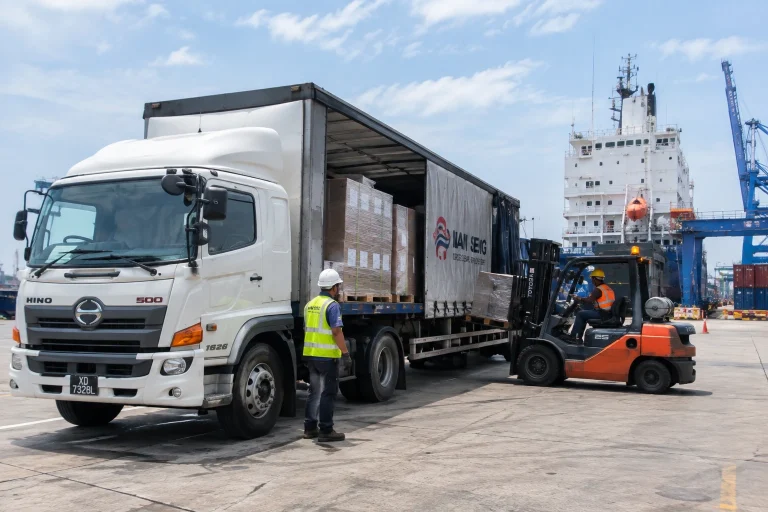
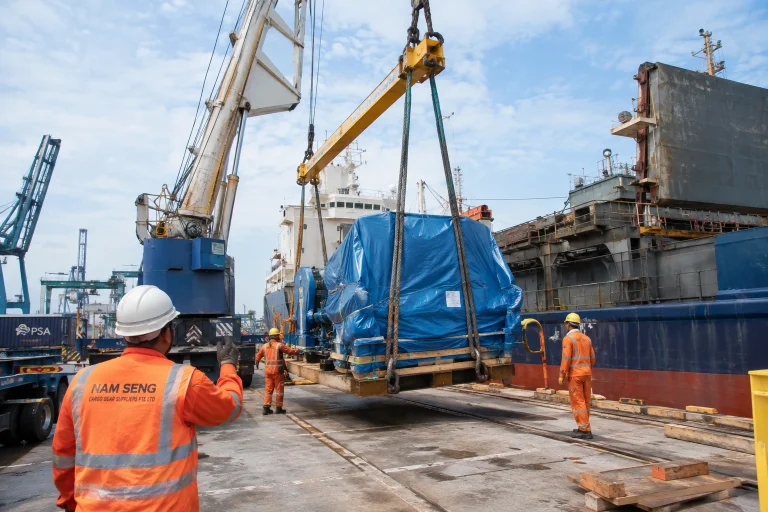
The Logistics Industry Singapore is a cornerstone of the country’s economy, supporting sectors such as manufacturing, e-commerce, healthcare, and retail. Singapore’s ports and airports are consistently ranked among the best in the world, enabling seamless movement of goods across borders.
With advanced warehousing facilities, integrated supply chain solutions, and strong government support, Singapore offers an efficient ecosystem for logistics providers. The industry includes freight forwarding, warehousing, cold chain logistics, last-mile delivery, and third-party logistics (3PL) services.
Key Opportunities in the Logistics Industry Singapore
Strategic Geographic Location
One of the biggest advantages of the Logistics Industry Singapore is its strategic position at the crossroads of major shipping routes. This allows businesses to access Asia-Pacific markets quickly and efficiently, making Singapore an ideal regional distribution hub.
Growth of E-Commerce
The rapid growth of e-commerce has created new opportunities within the Logistics Market Singapore. Online retail demands fast, reliable, and flexible delivery solutions. As a result, logistics companies are expanding fulfillment centers, investing in last-mile delivery, and offering value-added services such as returns management.
Strong Government Support
Singapore’s government actively supports the logistics sector through policies, grants, and infrastructure development. Initiatives focused on digitalization, automation, and sustainability have strengthened the competitiveness of the Singapore Logistics Market and encouraged innovation across the supply chain.
Expansion of Cold Chain and Healthcare Logistics
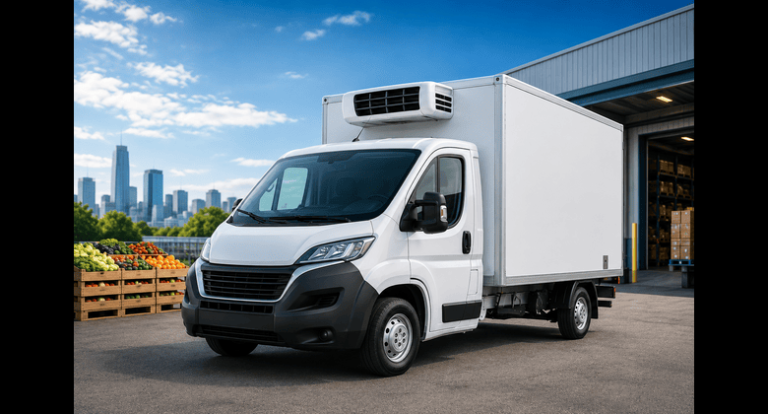
With rising demand for pharmaceuticals, biotechnology products, and fresh food imports, cold chain logistics has become a fast-growing segment. The Singapore Logistics Sector is well-positioned to serve this demand through advanced temperature-controlled storage and transport solutions.
Major Challenges Facing the Logistics Sector in Singapore
Rising Operational Costs
Despite its advantages, the Logistics Industry Singapore faces high operational costs, including labor, real estate, and energy expenses, which can impact profit margins—especially for small and mid-sized logistics providers that increasingly rely on cost-saving solutions such as Choosing Commercial Forklift Rental to manage warehouse operations more efficiently.
Labor Shortages
Manpower constraints are another challenge for the Singapore Logistics Industry. The industry relies heavily on skilled workers for warehouse operations, transport management, and supply chain planning. Companies are increasingly turning to automation to address this issue.
Global Supply Chain Disruptions
Global events such as pandemics, geopolitical tensions, and port congestion have highlighted vulnerabilities in supply chains. The Logistics Services Industry Singapore must continuously improve resilience and flexibility to manage unexpected disruptions.
Sustainability Pressures
Environmental concerns are pushing logistics companies to reduce carbon emissions and adopt greener practices. Meeting sustainability goals while maintaining efficiency is an ongoing challenge for the Supply Chain Industry Singapore.
Innovation Transforming the Freight and Logistics Ecosystem in Singapore
Digitalization and Smart Logistics
Technology is reshaping the Singapore’s Logistics and Supply Chain Sector. Digital platforms, cloud-based systems, and data analytics are improving visibility, tracking, and decision-making across the supply chain. Smart logistics solutions help companies optimize routes, reduce delays, and enhance customer experience.
Automation and Robotics
Warehouses in Singapore are increasingly adopting automation, robotics, and AI-powered systems. These innovations improve productivity, reduce reliance on manual labor, and enhance accuracy. Automation is becoming a key driver of competitiveness in the Distribution and Logistics Sector Singapore.
Sustainable Logistics Solutions
Green logistics is gaining momentum within the Integrated Distribution and Logistics Sector Singapore. Companies are investing in electric delivery vehicles, energy-efficient warehouses, and eco-friendly packaging. Sustainable practices not only reduce environmental impact but also align with global ESG expectations.
Blockchain and Supply Chain Transparency
Blockchain technology is being explored to enhance transparency and security in logistics operations. By providing tamper-proof records and real-time tracking, blockchain can improve trust and efficiency within the Advanced logistics sector in Singapore.
Future Outlook of the Advanced logistics sector in Singapore
The future of the Global logistics hub of Singapore looks promising, driven by innovation, regional trade growth, and digital transformation. As businesses demand faster, smarter, and more sustainable logistics solutions, Singapore is well-positioned to remain a global logistics leader.
Continued investment in technology, talent development, and green initiatives will be essential for long-term success. Companies that embrace innovation and adaptability will gain a competitive edge in the evolving Global logistics hub of Singapore.
Conclusion
The professional logistics industry in Singapore stands at the intersection of opportunity and transformation. While challenges such as rising costs and sustainability pressures exist, innovation and strong infrastructure continue to drive growth. With strategic planning, advanced technology, and strong government support, Singapore will remain a key logistics hub in Asia and beyond, with companies like Nam Seng Cargo playing an important role in delivering reliable and efficient logistics solutions.
Businesses looking to expand in the region can benefit greatly from the efficiency, reliability, and global connectivity offered by the Logistics Industry Singapore.