When a vessel is berthed and the clock is ticking on demurrage, the last thing you need is a late crew or a lift plan that falls apart halfway through. Cargo owners, freight forwarders, and shipping lines across Singapore face the same pressure: get the load on or off safely, quickly, and without damage.
The trouble is that ship loading is rarely just about picking cargo up and putting it down. It involves weight distribution, lashing, dunnage, hatch access, tide timing, and coordination with the port operator. When any piece slips, you get delayed sailings, damaged goods, or safety incidents. This is exactly why reliable ship loading services Singapore matter so much for anyone moving freight through PSA, Jurong Port, or the Keppel wharves.
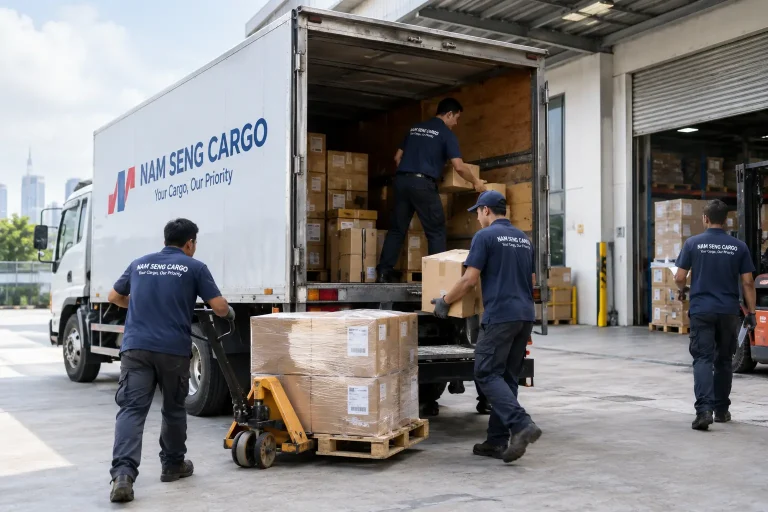
Professional ship loading services Singapore bring the crew, the gear, and the plan together in one team. From certified stevedores and riggers to mobile cranes and forklifts, an experienced provider handles the full sequence so your cargo moves on schedule. Nam Seng Cargo offers full stevedoring and ground handling support across Singapore, backed by 35 years of dockside experience. Below we break down what these services cover, the cargo types they handle, and how to pick the right provider.
What Ship Loading Services Singapore Actually Cover
Ship loading services Singapore refer to the physical movement of cargo between vessels and shore, plus the planning and equipment that make every lift safe. This includes stowing goods in the hold, securing them with lashing and dunnage, running cranes and forklifts on the quayside, and coordinating with port authorities on berth windows.
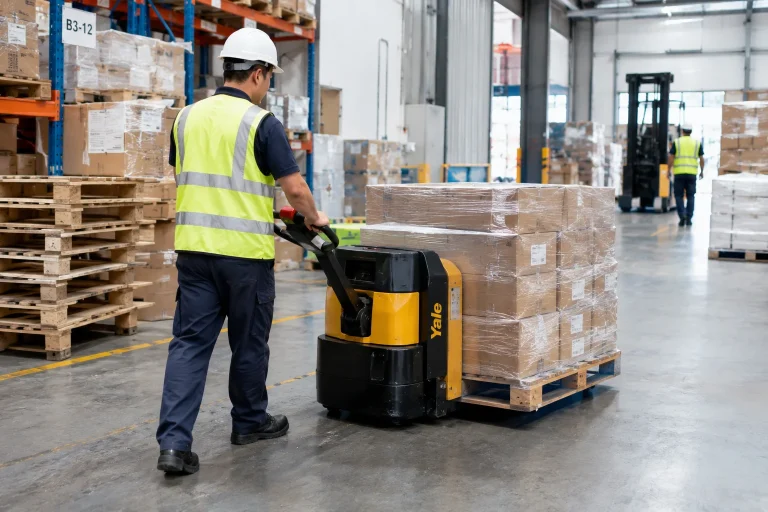
A full-service provider handles the flow from wharf gate to hatch cover. That means supplying stevedores, riggers, signalmen, and crane operators, plus the lifting gear itself. It also means managing paperwork like stow plans, lift studies for heavy items, and safe work permits under Singapore’s Workplace Safety and Health rules.
For most shippers, hiring a specialist beats juggling several vendors. One team, one contact, one accountable party when something needs to move faster or the tide window shifts.
Types of Cargo Handled by Ship Loading Services Singapore
A good provider covers all the main cargo categories, so you’re not calling three companies for one sailing.
Containerized Cargo
Containers make up the bulk of trade moving through Singapore. Loading them means coordinating with the terminal on TEU counts, checking twist locks, and using gantry or mobile harbour cranes for lifts. Even standard container work needs proper rigging and signalmen to keep swings under control.
Break Bulk and General Cargo
Machinery, steel coils, timber, and bagged goods fall under break bulk. This is where skilled stevedores earn their keep. Every piece needs attention on stow position, lashing angle, and load distribution to keep the vessel stable and the cargo undamaged in transit.
Project Cargo and Heavy Lift
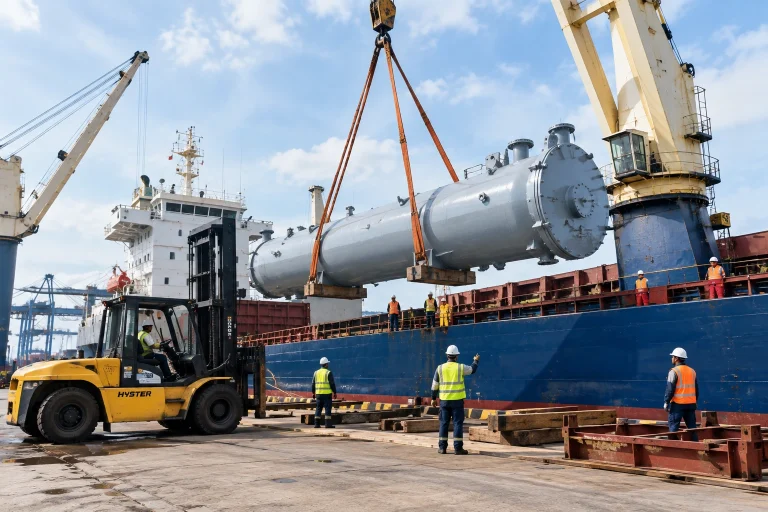
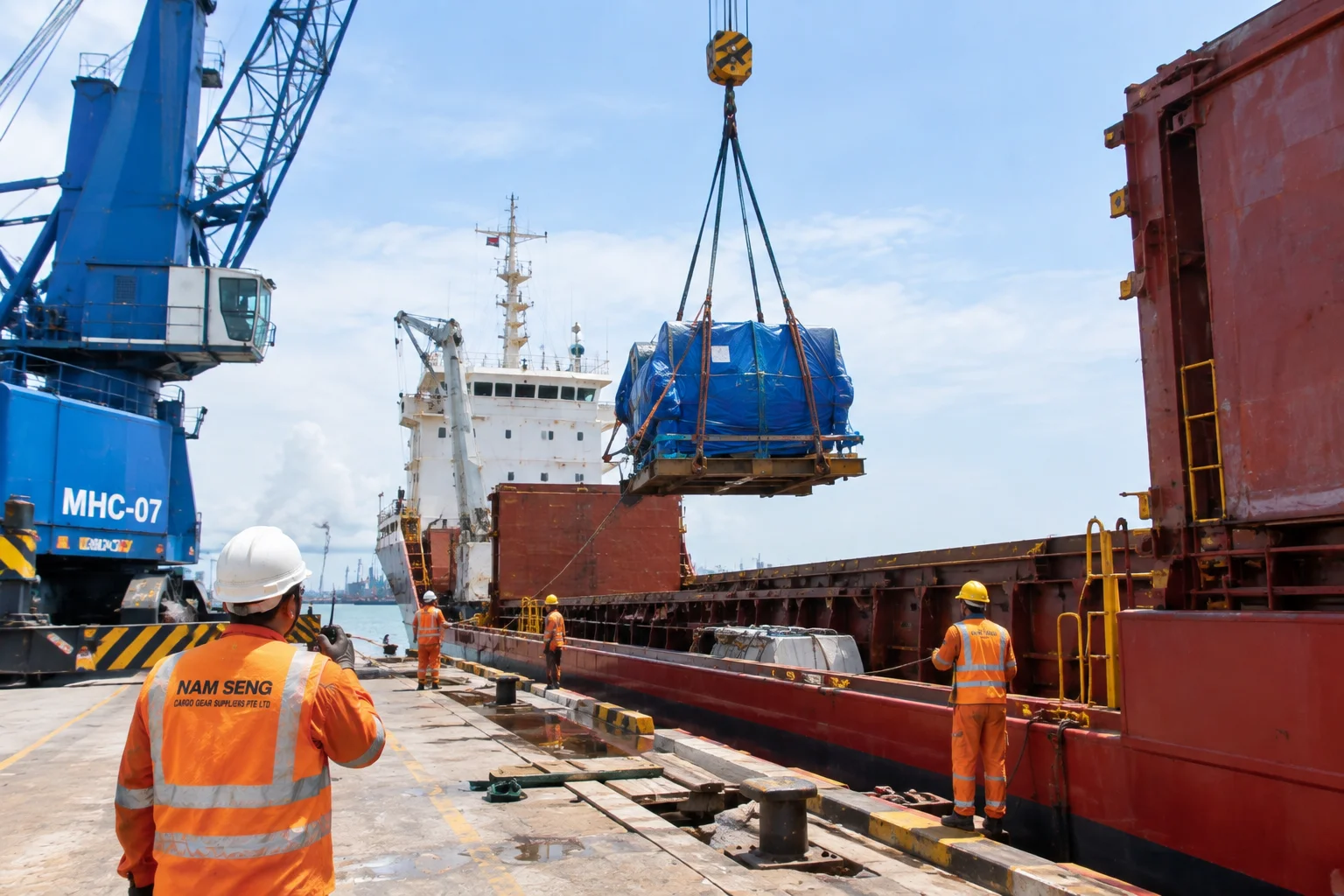
Oversized turbines, generators, prefabricated modules, and industrial plant sections are project cargo. These lifts need mobile harbour cranes, spreader bars, and a written lift plan reviewed by a qualified engineer. Nam Seng’s lifting team handles this kind of work with certified operators.
Roll On Roll Off (RoRo)
Vehicles, trailers, and wheeled machinery drive directly on and off RoRo vessels. It sounds simple, but tight ramp angles, weight limits, and lashing points inside the deck still call for trained drivers and lashing crews.
Why Singapore Ports Change the Equation
Ship loading services Singapore work inside one of the busiest port ecosystems in the world. PSA Singapore handles over 39 million TEUs a year across Tuas, Pasir Panjang, Keppel, and Brani. Jurong Port covers bulk, break bulk, and offshore work. Turnaround times are tight, and berth windows are protected.
Providers here need MPA-recognised safety systems, port passes for staff, and equipment cleared for wharfside use. They also work around Singapore’s climate, since heat, sudden rain, and monsoon swells all affect lifting decisions. Local experience matters, because a crew that has already worked Tuas or Jurong knows the pace and the paperwork.
Safety Standards Every Ship Loading Services Singapore Provider Should Meet
Safety on the wharf is non-negotiable. Any reputable ship loading services Singapore provider should hold ISO 9001 for quality, bizSAFE certification for workplace safety, and follow WSH Council guidelines on lifting operations.
Look for these markers when you compare providers:
- Certified rigger and signalman on every lift crew
- Documented lift plans for anything above standard container weight
- Regular equipment inspections with valid load test certificates
- Toolbox briefings before each shift starts
- Clear incident reporting and near-miss tracking
A provider that treats these as tick-box items is one to walk away from. The ones worth working with treat them as the baseline.
How to Choose the Right Ship Loading Services Singapore Provider
Price matters, but it’s rarely the deciding factor. When you compare quotes, weigh these questions first.
Does the provider own the equipment or do they subcontract? Owning the fleet usually means faster response and fewer surprises on rates. Can they supply crew, cranes, and forklifts from one contract, or will you end up chasing separate vendors? A single-source provider bundles ship loading services Singapore with manpower supply and warehousing, so you have one contact for the whole job.
How fast do they respond? A written quote within one working day is a fair benchmark. Anything longer suggests they’re overloaded or not set up for responsive service. Finally, ask for references from clients in your cargo category. A team that knows steel coils inside out may not be the right fit for containerised electronics.
Frequently Asked Questions
What is included in ship loading services Singapore?
Ship loading services typically include stevedores, riggers, signalmen, crane operators, lifting equipment, forklifts, lashing and dunnage materials, and coordination with the port operator. The exact scope depends on cargo type and vessel class.
How long does a typical ship loading job take?
Turnaround depends on cargo volume and vessel size. A standard container load can move in a few hours per hatch, while a project cargo lift may take a full shift. Your provider should confirm timing in the written quote.
Do I need my own equipment or does the provider supply everything?
A full-service ship loading services Singapore provider supplies the crew, cranes, forklifts, and rigging gear. You only share the cargo details, vessel information, and berth window.
How do I request a quote?
Send your cargo type, weight, dimensions, vessel details, and berth date. Most reputable providers return a written quote within one working day, then confirm the booking once you sign off.
Ready to Move Your Cargo Without the Guesswork?
Reliable ship loading services Singapore save you time, protect your cargo, and keep your sailings on schedule. When one team handles the crew, equipment, and coordination, you spend less energy chasing vendors and more running your business.
If you have a vessel arriving soon or a project cargo lift on the calendar, get in touch with Nam Seng Cargo for a written quote within one working day.